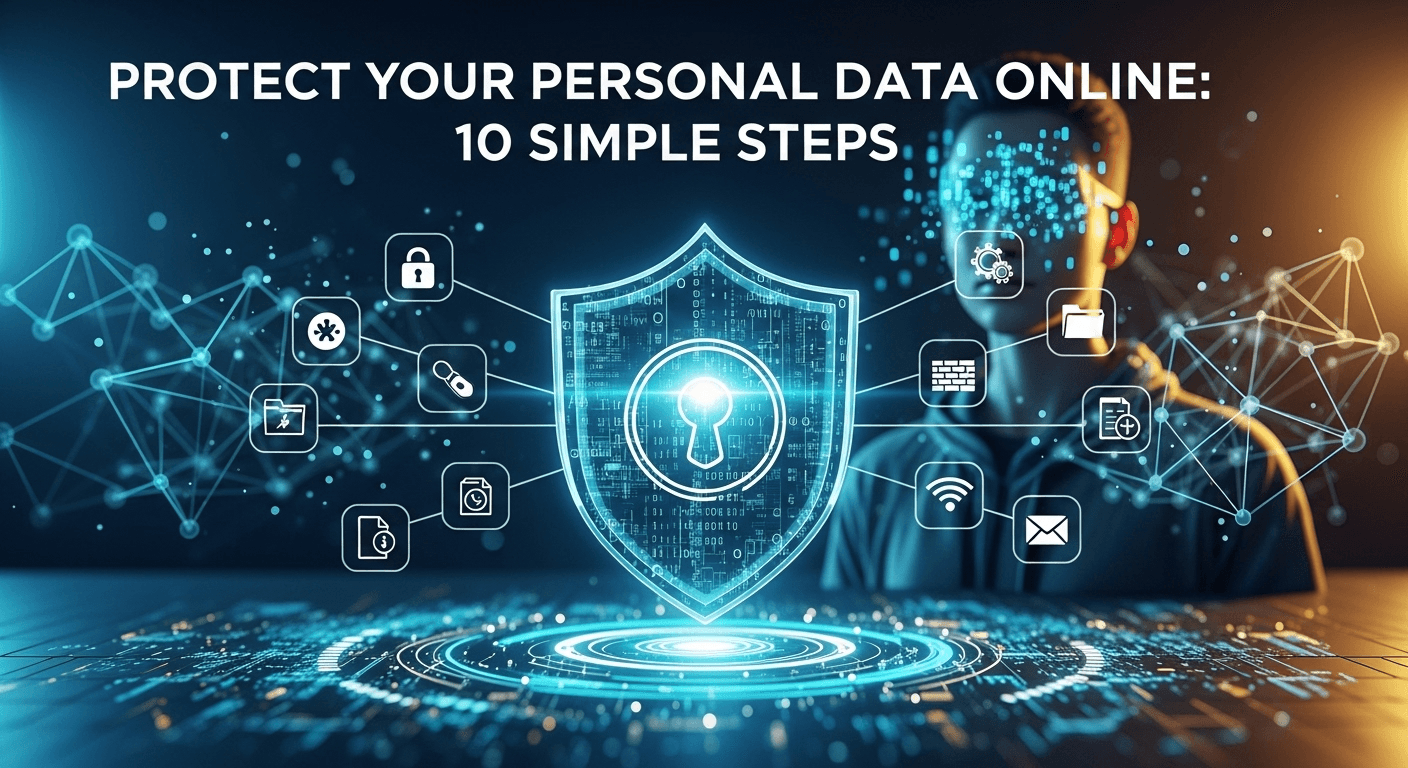
In today's hyper-connected world, our lives are intrinsically linked to the digital realm. We shop, bank, socialize, and work online, generating a vast trail of personal data every single day. While this connectivity offers unprecedented convenience, it also exposes us to significant risks, from identity theft and financial fraud to reputational damage. The question is no longer if you should be concerned about your digital privacy, but rather how to protect your personal data online effectively. This guide is designed to empower you with actionable, straightforward strategies to reclaim control over your information and build a more secure digital life. These ten simple steps are your foundational blueprint for navigating the internet safely and confidently. Strengthen Your Digital Fortress: Passwords and Authentication The first line of defense for nearly every online account you own is your password. Think of it as the key to your digital home. Unfortunately, too many people use weak, easily guessable keys, or worse, the same key for every single door. This practice is a primary reason why data breaches can have such a catastrophic domino effect. Once a hacker obtains your credentials from one compromised service, they will use automated tools to try that same email and password combination on hundreds of other popular sites, a technique known as "credential stuffing." This digital vulnerability is compounded by the sheer number of online accounts the average person maintains. It's simply not humanly possible to create, remember, and manage dozens of unique, complex passwords without assistance. This is where a strategic approach to authentication becomes non-negotiable. It’s not about having a perfect memory; it's about using the right tools and adopting habits that make strong security practices second nature. Moving beyond a simple password to a multi-layered authentication strategy is the modern standard for robust online security. This involves combining something you know (your password) with something you have (like your phone or a physical key). This approach drastically raises the barrier for unauthorized access, ensuring that even if a criminal manages to steal your password, they are still locked out of your account. By implementing the following two steps, you will transform your accounts from easily picked locks into fortified vaults. #### Create and Manage Strong, Unique Passwords A strong password is your foundational defense. The era of using birthdays, pet names, or "Password123" is long over. A truly secure password must be long (at least 12-16 characters), complex (using a mix of uppercase letters, lowercase letters, numbers, and symbols), and unique (never reused across different websites or services). The most critical of these is uniqueness. If you use the same password everywhere, a breach on a single, low-security forum could give an attacker the key to your email, banking, and social media accounts. The solution to managing this complexity is a password manager. These are encrypted digital vaults that securely store all your login credentials. You only need to remember one master password to unlock the vault. The manager can then generate incredibly strong, unique passwords for every new site you sign up for and automatically fill them in when you log in. This eliminates password reuse and weak-password habits entirely. Reputable options include Bitwarden (a popular open-source choice), 1Password, and LastPass. Using a password manager is arguably the single most impactful change you can make for your online security. #### Enable Two-Factor Authentication (2FA) Everywhere Two-Factor Authentication (2FA), sometimes called Multi-Factor Authentication (MFA), is a security layer that requires you to provide a second form of verification in addition to your password. This ensures that even if someone steals your password, they cannot access your account without also having access to your second factor. It is an essential security measure that you should enable on every service that offers it, especially for critical accounts like email, banking, and social media. There are several types of 2FA, but the most common are codes sent via SMS, codes generated by an authenticator app (like Google Authenticator or Authy), or physical security keys (like a YubiKey). While SMS is better than nothing, it is the least secure method due to the risk of "SIM-swapping" attacks. Authenticator apps are a much more secure choice. They are not tied to your phone number and generate time-sensitive codes directly on your device. For maximum security on your most important accounts, a physical security key offers the best protection against phishing and remote attacks. Be Mindful of Your Digital Footprint Your digital footprint is the collection of all the data you leave behind as you use the internet. This includes everything from the posts you make on social media and the comments you leave on blogs to your search history, online purchases, and location data tracked by apps. Every click, every share, and every "like" contributes to a detailed profile of who you are, what you like, and where you go. This data is incredibly valuable to marketers, data brokers, and, unfortunately, malicious actors. Think of your digital footprint as permanent ink. Once something is posted online, it can be incredibly difficult, if not impossible, to fully erase. Screenshots can be taken, websites can be archived, and data can be scraped and stored in databases far beyond your control. This information can be aggregated to build a surprisingly accurate picture of your life, potentially revealing sensitive details that could be used for social engineering, identity theft, or even personal harassment. Therefore, proactively managing your digital footprint is not an act of paranoia but one of prudent digital hygiene. It involves being conscious of what you share, understanding how your data is being used by the services you interact with, and taking deliberate steps to minimize your data exposure. The goal is to control the narrative and ensure that your online presence reflects what you choose to share, not what is inadvertently leaked. #### Limit What You Share on Social Media Social media platforms are designed to encourage sharing, but oversharing can pose serious security risks. Seemingly harmless information, such as