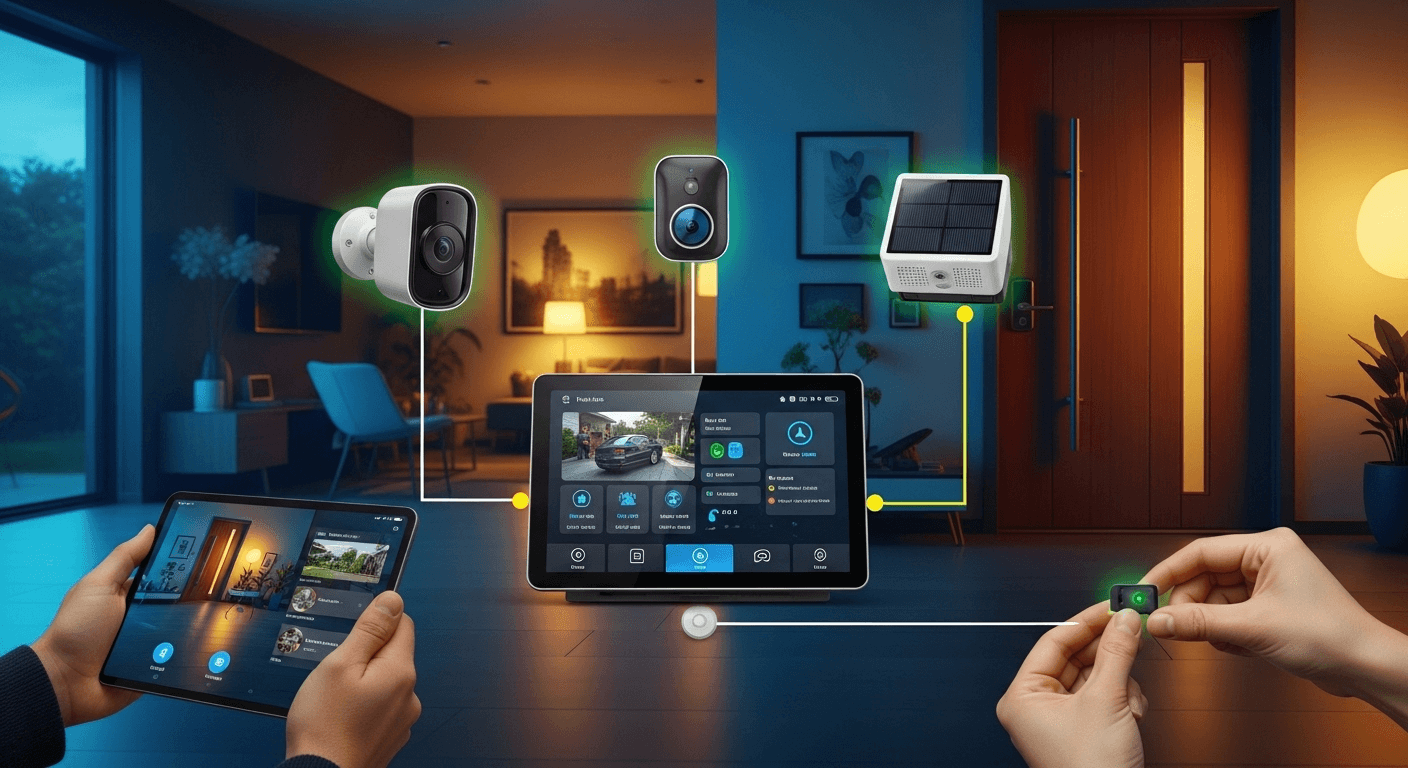
In an era where peace of mind is priceless, ensuring the safety of your home and loved ones is a top priority. However, the high costs and restrictive contracts associated with professional security services can be a significant barrier for many. This is where the power of self-reliance and modern technology comes into play. Building your own security system is no longer a complex endeavor reserved for tech wizards; it's an accessible, affordable, and incredibly rewarding project for any homeowner. This guide is packed with top-tier DIY home security system ideas that empower you to take control, customize your defenses, and build a robust shield around your sanctuary, often using tools and technology you already own. The Foundation: Understanding DIY Home Security Components Before you can build a house, you need to understand the bricks and mortar. Similarly, before constructing your own security system, it's crucial to grasp the fundamental components that work together to create a cohesive defense network. These building blocks are the senses of your system—the eyes, ears, and nerves that detect and report potential threats. Understanding their function is the first step toward designing a system that is perfectly tailored to your property's unique layout and your personal security needs. Each component serves a specific purpose, from detecting an unauthorized entry to alerting you and deterring the intruder. What makes a DIY approach so powerful is the ability to mix and match these components based on your budget and technical comfort level. You can start with a simple sensor and gradually expand to a multi-camera, fully automated network. This modularity ensures that your home security can grow and adapt with you, without being locked into a single brand's ecosystem or expensive upgrade path. The true beauty of a DIY setup is its inherent flexibility. You're not just a consumer; you become the architect of your own safety. This hands-on approach allows you to place sensors in the exact spots you deem most vulnerable, angle cameras for the perfect field of view, and decide precisely how your system should react to a trigger event. Whether it's a silent notification to your phone or a blaring siren, the control is entirely in your hands. #### Sensors: The Nerves of Your System Sensors are the frontline soldiers of any security setup. The two most common types are contact sensors and motion sensors. Contact sensors, also known as entry sensors, typically come in two parts that create a magnetic circuit. You place one part on a door or window and the other on the frame. When the door or window is opened, the circuit is broken, and a signal is sent to your system’s hub. They are incredibly reliable for securing all potential points of entry. Motion sensors, on the other hand, guard open spaces. Most DIY-friendly models use PIR (Passive Infrared) technology to detect the heat signature of a person moving within their range. They are ideal for covering large areas like living rooms, hallways, or basements. When placing motion sensors, it's important to consider factors that could cause false alarms, such as pets, heating vents, or direct sunlight. Modern smart sensors often have pet-immunity features to address this very issue. #### Security Cameras: The All-Seeing Eyes A picture is worth a thousand words, especially when it comes to identifying an intruder. DIY security cameras have become incredibly affordable and feature-rich. You can choose from Wi-Fi IP cameras that connect directly to your network, or you can repurpose old devices like smartphones and webcams (more on that later). Key features to look for include 1080p resolution or higher, night vision capabilities, a wide field of view, and two-way audio, which allows you to hear and speak through the camera. The placement of your cameras is a strategic decision. Visible cameras can act as a powerful deterrent, signaling to potential burglars that your home is monitored. These should be placed near primary entry points like the front door and back door. Hidden or discreet cameras can be used to capture footage without alerting the subject, which can be useful for monitoring activity inside the home. Always be sure to comply with local laws and regulations regarding video and audio recording. #### Alarms and Sirens: The Warning Call Detection is only half the battle; an effective response is what truly deters a threat. This is where alarms and sirens come in. A loud, piercing siren (often 100 decibels or more) is designed to do two things: startle and disorient the intruder, causing them to flee, and alert your neighbors to the disturbance. Many DIY systems allow you to link your sensors directly to a siren, which will sound automatically upon a breach. However, not every situation calls for a loud alarm. The beauty of a DIY system is the ability to customize your alerts. You can configure your system to send a silent "push" notification directly to your smartphone instead. This allows you to discreetly check your camera feeds and assess the situation without alerting the intruder to your awareness. For many, a hybrid approach is best: a silent notification for a sensor trip at a low-risk window, but an immediate siren for a forced entry at the front door. Low-Tech, High-Impact DIY Security Solutions You don't need to be a technology expert or have a large budget to significantly improve your home's security. Some of the most effective deterrents are simple, low-tech, and based on common-sense principles. These foundational measures are designed to make your home a "hard target"—a property that looks too difficult or risky for a potential burglar to attempt. Many intruders are opportunists looking for an easy score, and these simple upgrades can be enough to make them move on to an easier target. These strategies focus on reinforcing the physical and psychological barriers of your home. A strong door, a well-lit yard, and the impression of a sophisticated security system can be just as effective as the real thing in many scenarios. By implementing these