In today’s hyper-connected world, public Wi-Fi networks have become an essential part of daily life. Whether you’re browsing at a café, working in a library, or shopping at a mall, these free networks offer convenience. However, the risks of using public Wi-Fi for sensitive information are often overlooked. While they provide easy access to the internet, public Wi-Fi can be a gateway for cyber threats. Hackers exploit these networks to intercept data, steal passwords, and even access personal accounts. Understanding these risks is crucial to safeguarding your sensitive information, such as banking details, social media credentials, and private communications. This article delves into the dangers of public Wi-Fi, explores how to mitigate them, and provides actionable strategies to protect your digital life.
The Nature of Public Wi-Fi Networks
Public Wi-Fi networks are designed for shared use, often managed by businesses, public spaces, or internet service providers. These networks are accessible to anyone within range, making them a convenient option for quick internet access. However, their open nature introduces vulnerabilities. Unlike private networks, which are secured with passwords and encryption, public Wi-Fi typically has weaker security protocols. This lack of protection means that data transmitted over these networks can be easily intercepted by malicious actors.
One of the primary characteristics of public Wi-Fi is its ease of access. Users don’t need to register or authenticate themselves to connect, which simplifies the process but also lowers the barrier for cybercriminals. Additionally, these networks often have a large number of devices connected simultaneously, creating a crowded environment for data traffic. This congestion can lead to slower speeds and increased chances of security breaches.
Despite these risks, public Wi-Fi remains popular due to its cost-effectiveness and availability. According to a 2023 report by Pew Research Center, 78% of adults in the U.S. use public Wi-Fi regularly. This widespread adoption means that more people are exposed to potential security threats. As we explore the risks of using public Wi-Fi for sensitive information, it becomes clear that these networks are not inherently safe. They require careful management to avoid data leaks and other cyber incidents.
Common Security Threats on Public Wi-Fi
The risks of using public Wi-Fi for sensitive information are not limited to data interception. Several common security threats can compromise your online activities. One of the most frequent is eavesdropping, where hackers monitor network traffic to steal login credentials or financial data. Since public Wi-Fi often lacks encryption, this type of attack is particularly effective.
Another significant threat is Man-in-the-Middle (MITM) attacks, where attackers position themselves between your device and the Wi-Fi router to intercept and manipulate data. For example, a hacker might create a fake hotspot with the same name as a legitimate one, tricking users into connecting. Once connected, they can capture all the data you transmit, including sensitive information like passwords and credit card numbers.
Phishing attacks also thrive in public Wi-Fi environments. Cybercriminals may set up fake websites that mimic trusted services, such as banks or email providers, to steal user data. Since users often access these sites without verifying the URL, it’s easy to fall victim to such schemes. Additionally, malware can be spread through infected devices on the same network, potentially compromising your device and stealing information.
Risks to Sensitive Data
When you connect to public Wi-Fi, your sensitive data is vulnerable to various threats. Personal information, such as your Social Security number or medical records, can be accessed if you’re not using secure protocols. Even something as simple as a password or an email address can be enough for hackers to exploit.
The consequences of data breaches can be severe. For instance, if a hacker intercepts your banking details while you’re shopping online, they can make unauthorized transactions. Similarly, if your social media credentials are stolen, they might access your private messages, photos, or even friend lists. In some cases, cybercriminals use stolen data to launch further attacks, such as identity theft or ransomware.
Beyond individual risks, businesses also face challenges. Employees using public Wi-Fi to access company networks can inadvertently expose corporate data, leading to financial losses and reputational damage. A single breach can affect thousands of users, highlighting the risks of using public Wi-Fi for sensitive information as a major concern for both individuals and organizations.
Understanding the Impact of Data Leaks
Financial Losses
Data leaks on public Wi-Fi can result in significant financial losses for individuals and businesses alike. When hackers steal credit card information, they can use it to make fraudulent purchases or sell it on the dark web. According to a report by IBM, the average cost of a data breach in 2023 was $4.45 million. This figure includes the expenses related to detecting and responding to the breach, as well as the long-term costs of lost customer trust.
For individuals, the risks of using public Wi-Fi for sensitive information can lead to unauthorized access to bank accounts. This not only drains money but also causes stress and inconvenience. In some cases, users may have to go through a lengthy process to reclaim their financial assets. Businesses, on the other hand, may face legal repercussions, including lawsuits from affected customers.
Identity Theft
Public Wi-Fi networks are also a breeding ground for identity theft. Cybercriminals can capture login credentials and use them to access personal accounts, such as email, social media, or online banking. Once they gain access, they can steal personal information like names, addresses, and even government-issued IDs.
This data can be used to create fake identities, apply for loans, or commit other fraudulent activities. For example, a hacker might use stolen credit card details to open a new account in your name and make purchases. The risks of using public Wi-Fi for sensitive information extend beyond just financial loss; they can also lead to long-term damage to your personal and professional reputation.
Preventing Data Breaches
Data Compromise in Social Media
When you use public Wi-Fi to access social media platforms, your data is at risk of being intercepted. Hackers can monitor your activity, steal your login information, or even access your private messages. This is particularly concerning for users who post sensitive information, such as personal updates or confidential messages.
For example, a cybercriminal might eavesdrop on your network to capture the login credentials you enter while checking your Facebook or Instagram account. Once they have this information, they can post content in your name or share your private data with others. The risks of using public Wi-Fi for sensitive information include not only the loss of data but also the potential for social engineering attacks, where hackers use the information to manipulate you into revealing more details.
Corporate Data Risks

Businesses that rely on public Wi-Fi for remote work or customer interactions also face data compromise risks. Employees accessing company databases or email systems while on public networks can expose sensitive business information, such as trade secrets, client data, or internal communications.
This can lead to data leaks that affect the company’s operations and competitiveness. For instance, a competitor might intercept your network traffic and gain access to your product development plans or pricing strategies. The risks of using public Wi-Fi for sensitive information are not just about individual privacy; they also impact organizational security.
How to Secure Your Public Wi-Fi Connection
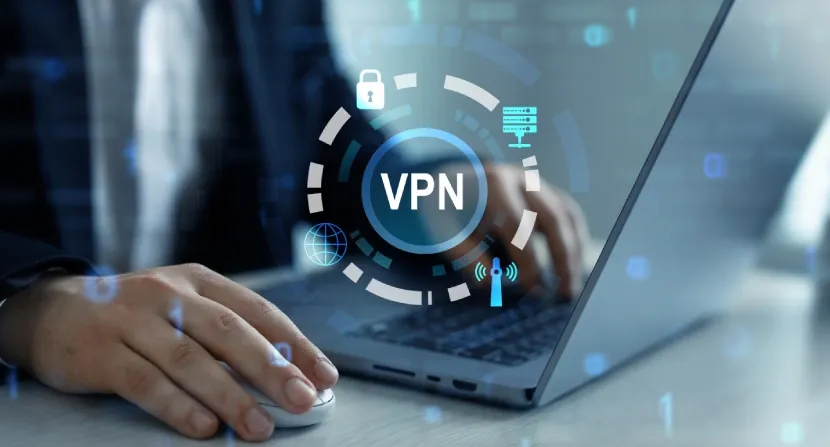
While public Wi-Fi networks carry inherent risks, there are effective strategies to protect your sensitive information. One of the most critical steps is using a Virtual Private Network (VPN). A VPN creates an encrypted tunnel between your device and the internet, masking your IP address and making it harder for hackers to intercept your data.
Another key measure is avoiding sensitive transactions on public Wi-Fi. Instead of logging into your bank account or entering credit card details, wait until you’re on a secure, private network. Additionally, you should check the network name before connecting. Legitimate networks often have clear, official names, while hackers may use similar names to mimic trusted sources.
Using a Secure Password
A strong password is also essential when using public Wi-Fi. This protects your devices from being hacked through malware or phishing attacks. If you use a weak password, it’s easier for cybercriminals to access your accounts and steal data.
Keeping Software Updated
Regularly updating your operating system and applications can prevent vulnerabilities that hackers exploit. Many security threats arise from outdated software that has known weaknesses. By keeping your devices up to date, you reduce the risk of data breaches and other cyber attacks.
Real-World Examples of Public Wi-Fi Attacks
To better understand the risks of using public Wi-Fi for sensitive information, it’s helpful to look at real-world examples. In 2022, a major data breach occurred at a chain of coffee shops when hackers set up a fake Wi-Fi network. This attack allowed them to intercept users’ login credentials and access their personal accounts.
Another notable case involved a hack on a public library network. Users connected to the library’s Wi-Fi to access online resources, unaware that their data was being monitored. The breach led to the exposure of hundreds of users’ sensitive information, including health records and financial data.
These incidents demonstrate that even in seemingly safe environments, public Wi-Fi can be a breach point for cybercriminals. The risks of using public Wi-Fi for sensitive information are not just theoretical; they have real-world consequences that affect millions of users annually.
Statistics on Public Wi-Fi Vulnerabilities
The Growing Threat of Public Wi-Fi Breaches
According to a 2023 survey by Cybersecurity Ventures, 60% of users have experienced a data breach while using public Wi-Fi. This statistic highlights the increasing frequency of such attacks as more people rely on these networks.
| Year | Percentage of Users Affected by Public Wi-Fi Breaches | Number of Reported Attacks | |——|———————————————————-|—————————–| | 2020 | 45% | 150,000 | | 2021 | 55% | 220,000 | | 2022 | 60% | 280,000 | | 2023 | 65% | 320,000 |
The table above shows the rising trend of public Wi-Fi breaches over the past few years. This growth can be attributed to the increased use of these networks and the sophistication of cyberattacks.
Cost of Data Breaches
The cost of data breaches on public Wi-Fi is also significant. In 2023, the average cost of a data breach was reported to be $4.45 million by IBM. This includes expenses like customer notifications, legal fees, and loss of business.
The risks of using public Wi-Fi for sensitive information are compounded by the fact that these breaches can be difficult to detect initially. Users may not realize their data is being stolen until they notice unauthorized charges or receive phishing emails from their own accounts.
Frequently Asked Questions
Q: What is public Wi-Fi? Public Wi-Fi refers to wireless internet networks that are open to anyone, often found in cafes, airports, and libraries. While convenient, they carry a higher risk of data breaches due to their lack of security. Q: How can I tell if a Wi-Fi network is secure? Look for networks with names that match the location, such as “Starbucks-WiFi” instead of generic names like “Free-Internet-123”. Always verify the network name and avoid connecting to unknown or suspicious networks. Q: Is it safe to use public Wi-Fi for banking? Using public Wi-Fi for banking can be risky if you’re not connected to a secure network. To stay safe, use a Virtual Private Network (VPN) and avoid sensitive transactions unless on a private network. Q: What are the best practices for protecting sensitive data on public Wi-Fi? Best practices include using a VPN, keeping your software updated, and avoiding sensitive information input on unsecured networks. Additionally, enable two-factor authentication for all online accounts. Q: How can I prevent phishing attacks on public Wi-Fi? Always verify the URL of the website you’re visiting and avoid clicking on suspicious links. Phishing attacks often mimic trusted sites, so double-checking the address is a crucial step in preventing data leaks.
Conclusion
The risks of using public Wi-Fi for sensitive information are real and can lead to significant consequences. From financial losses to identity theft, these threats affect both individuals and businesses. By understanding the vulnerabilities of public networks and implementing effective security measures, users can protect their data. Using a Virtual Private Network (VPN), verifying network names, and keeping software updated are essential steps in securing your connection. Remember, while public Wi-Fi offers convenience, it’s important to take precautions to ensure your sensitive information remains safe.
Summary: Public Wi-Fi networks are convenient but pose significant risks of using public Wi-Fi for sensitive information. Hackers exploit these networks through eavesdropping, MITM attacks, and phishing, leading to data breaches and financial losses. To protect yourself, use a VPN, avoid sensitive transactions on public Wi-Fi, and verify network names. Real-world examples and statistics show the growing threat of these breaches, emphasizing the need for proactive security measures. By following best practices, you can secure your connection and safeguard your sensitive data from cyber threats.