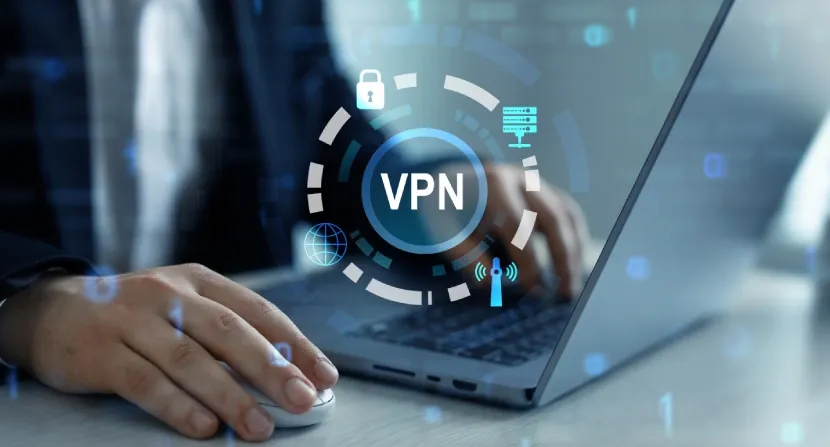
A VPN (Virtual Private Network) connection keeps your online activities safe and private. It turns your internet traffic into a secret code so others can’t see it. Also, it masks your real IP address, making you invisible online. This way, you can surf the web without revealing your identity.
By using a VPN, you ensure your online activities remain private. You also gain the ability to reach online content that might usually be blocked. In this article, we’ll look into the details of a VPN connection. We’ll see how it works, its various types, and why using one is beneficial.
Understanding Virtual Private Networks (VPNs)
A VPN connection is a safe way for our device to connect to the internet. It’s like a secret path through a server. This hides our location and encrypts our online actions, keeping us safe from prying eyes.
Definition of a VPN Connection
A VPN is a special tech that creates a secure link between our device and the web. It works through a faraway server, changing our location and keeping our online actions private. This makes sure our information is safe, even when we use Wi-Fi in public places.
Benefits of Using a VPN
VPNs offer great help in keeping our online life private and secure. They bring several good things to the table:
- Encrypted internet connection: Our web surfing is hidden via VPN, making it tough for bad actors or spy agencies to see our data.
- Anonymous browsing: VPNs hide our digital location, making our online rights invisible and keeping us safe.
- Secure remote access: They are great for letting workers safely log in from anywhere to their work systems.
- Bypassing geo-restrictions: VPNs allow us to enjoy web contents that are usually blocked in our area.
- Enhanced online privacy protection: They guard us against our ISPs and others watching what we do online.
Knowing what a VPN is and what it offers is key. It can make a big difference in protecting our online identity. Whether we’re surfing the net, handling important data, or working from afar, a VPN keeps us safer and more private.
How Does a VPN Connection Work?
When we connect to a VPN, our device sets up a hidden, safe path to a VPN server. This path keeps our internet use secret, even on public Wi-Fi. Everything we do online is locked up tight, so others can’t see it.
Establishing a Secure Tunnel
First, our device links up with a distant VPN server to start the VPN connection. We use special VPN protocols, like OpenVPN or IPsec, for a protected path. This path acts like a secret highway for our internet info.
Encrypting Internet Traffic
After the path is secure, the VPN service turns our internet activities into a secret code. It uses strong encryption, like AES or Blowfish, so our info stays safe. This means our online business stays private, even on risky Wi-Fi or when we share important data.
Types of VPN Connections
When we talk about VPN connections, we mainly see two types: remote access VPNs and site-to-site VPNs. These two types serve different needs. By knowing what each does, we can pick the best VPN for our use.
Remote Access VPNs
Remote access VPNs, or client-to-site VPNs, are very popular. They let specific users safely join a private network, like employees who work from home or folks who connect while traveling.
This type creates a secure link between a user’s device and the VPN server. It makes sure users can access work stuff safely, get around location limits, and keep their online activities private on public Wi-Fi.
Site-to-Site VPNs
Site-to-site VPNs connect networks that are far apart, like different offices or data centers. They make these networks act as if they’re all together locally. This connection is secure and encrypted.
Businesses often use site-to-site VPNs. They help companies share data safely, work together efficiently, and manage from various places.
Knowing the distinction between these types is key in picking the right VPN. It matters whether you need it for yourself, for work from anywhere, or for your big company’s networking setup.
Choosing the Right VPN Provider
There are key things to think about when choosing a VPN provider. We need to keep our online privacy and security in mind. A VPN offers a secure way to connect to the internet. It keeps our data safe and hidden from others online. With a good VPN, we can browse the internet without sharing our location or personal information.
One important thing to check is the VPN’s logging policy. A good provider should have a “no-logs” policy. This means they don’t keep track of what you do online. They won’t save your IP address, your browsing history, or the sites you visit. Choosing a VPN with this policy helps protect your privacy online.
It’s also crucial to pick a VPN with many servers around the world. This gives us more choices for secure connections. It also helps us to access websites and services that might usually be blocked in our area. So, look for VPNs with a large network of servers in different countries.
The strength of a VPN’s encryption is another big factor. The best VPNs use very strong encryption to protect your data. They usually mention using AES-256 or OpenVPN. These methods are considered very secure. They make sure that the information going through your VPN is safe from prying eyes.
The reliability and speed of the VPN is key too. You want a VPN that won’t slow down your internet too much. And you want to know that you can rely on it to be there when you need it. Also, good customer support can be a lifesaver if you ever have any issues. These points are important to check before picking a VPN provider.

Setting Up a VPN Connection
Setting up a VPN is easy and offers more privacy and security online. This guide will show you how to set up a VPN, protecting what you do online and letting you access things safely.
Installing VPN Software
To start, pick a good VPN service and download their software. Top VPN services have apps for Windows, macOS, iOS, and Android. This makes it quick to install. After downloading, it’s time to set it up.
Configuring VPN Settings
Now, let’s adjust the VPN settings to fit what we need. We choose a server location and turn on special privacy and security features. With many server locations available, we can select the best one for our privacy needs.
Doing these steps helps in creating a secure, private network online. This is great for any online activity. A VPN gives us the security and peace of mind while we’re online.
What is a VPN Connection?
A VPN connection makes your internet use secure and private. It encrypts what you do online and hides your real IP address. This lets you surf the web without revealing who you are. You can also access content not normally available where you are.
To start a VPN connection, a special safe “tunnel” forms. This tunnel connects your device to a VPN server. Your online activity is shielded from anyone trying to see it, even on public Wi-Fi. Using a VPN is key for those who care about online safety and privacy. It also helps get around internet restrictions.
Need to keep your web activities safe, access content you couldn’t see before, or link safely to your job’s network from afar? A VPN helps with all of that. It keeps you anonymous and safe no matter where or how you’re using the internet.
Using a VPN for Online Privacy
Have you heard about VPNs? They’re a great way to be more private and secure online. A VPN scrambles your internet traffic and hides your IP address. This makes it hard for others to see what you do online or steal your information.
Anonymous Web Browsing
Using a VPN makes your online activities basically invisible. It turns your data into unreadable code and changes your IP address. So, no one can easily follow what sites you visit or watch what you’re doing online. This is key for staying safe on public Wi-Fi or when you’re checking personal stuff online.
Bypassing Geo-Restrictions
VPNs also let you get around location blocks to see content that’s often off-limits. By connecting through a server in another country, you can seem to be there. This opens up the internet more, defeating restrictions and accessing a greater variety of online content.
Whether it’s keeping your online activities private, enjoying content from around the world, or just staying safe while surfing, using a VPN is a smart choice. It really beefs up your digital security and opens up the online world for you.
VPNs for Remote Work and Secure Remote Access
VPN (or virtual private network) connections are vital not just for individual online safety but also for working remotely. They provide a safe way for people to access their work networks and resources from afar. With more people working from home or in a hybrid model, the demand for secure remote solutions is at an all-time high.
For employees working outside the office, VPNs are key in keeping company information safe. They create a secret path between the user’s computer and the company’s network. This keeps private data protected, even if someone is connecting through public Wi-Fi or their own laptop. Protecting information this way is critical when working from places other than the office, where the risk of cyber attacks is higher.
Besides, VPNs also help freelancers, contractors, or third-party workers who need to team up with a company. They allow these outside team members to securely connect to the main company network. This keeps the company’s digital systems safe while making it easy for teams to work together, no matter where they are.
FAQ
What is a VPN connection?
A VPN (Virtual Private Network) connection is a secure way to surf the web. It makes our browsing private by hiding our IP address. This helps us keep our online activities secret and unlock content not available in our area.
How does a VPN connection work?
A VPN creates a secure path between our computer or phone and a server. This encrypted path keeps our data safe, even when we use public Wi-Fi.
What are the different types of VPN connections?
You can choose between Remote Access VPNs and Site-to-Site VPNs. The first lets people connect to a network securely from anywhere. The second links networks together for secure networking.
How do I choose the right VPN provider?
Choosing the best VPN provider means looking at their privacy rules, types of encryption, server variety, and support quality. Make sure they’re reliable and fit your privacy needs well.
How do I set up a VPN connection?
To start, download VPN software and set it up with your chosen settings. This might involve picking a server and entering a username and password. The steps can differ based on your provider and device.
How can a VPN connection improve my online privacy?
With a VPN, your browsing is hidden and your data is coded. This way, you can browse the internet without anyone watching, keeping your information safe from hackers or snoops.
How can a VPN connection help with remote work and secure remote access?
VPNs are key for working away from your office safely. They let remote employees join their company’s network without risk, keeping company data sheltered.