
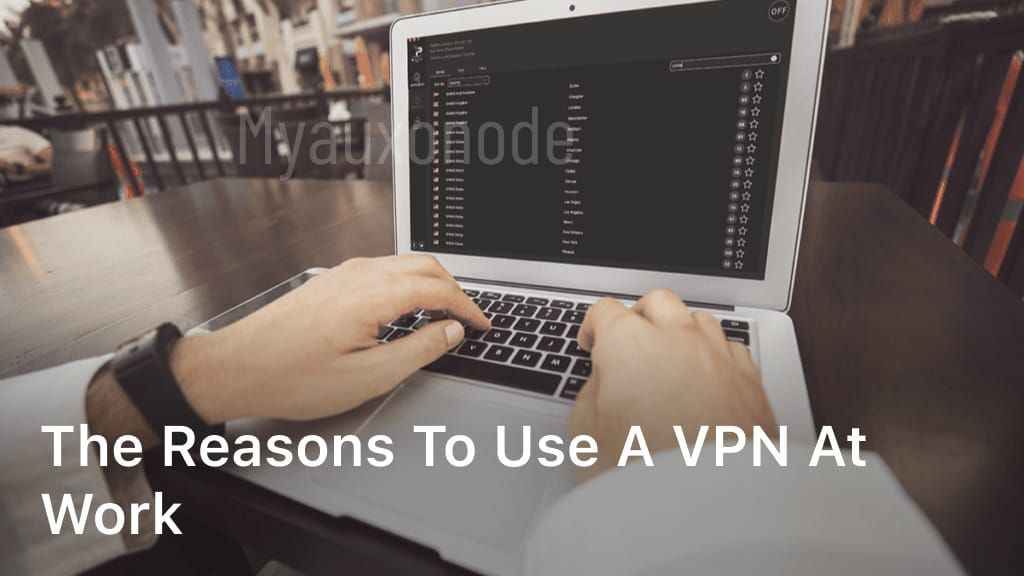
Welcome to our guide on the benefits of using a VPN at work. In today’s digital world, where privacy and security are paramount, utilizing a VPN has become essential for businesses and employees alike. By understanding the reasons to use a VPN at work, you can strengthen your online defenses and ensure a safer, more productive work environment. One of the primary advantages of using a VPN is enhanced privacy. A VPN creates a secure and encrypted connection between your device and the internet, shielding your online activities from prying eyes. This means that sensitive information, such as financial data or client details, remains confidential and protected. Furthermore, a VPN enables secure file sharing within your organization. Whether you’re collaborating with colleagues or accessing important company documents remotely, a VPN ensures that your files are transmitted safely and cannot be intercepted by cybercriminals. Speaking of cyber threats, the internet is rife with malicious actors aiming to breach your defenses. By using a VPN, you add an extra layer of protection against cyber threats. A VPN encrypts your internet traffic, making it nearly impossible for hackers to decipher and exploit your data. This safeguard is particularly crucial when working remotely or connecting to public Wi-Fi networks. Finally, using a VPN allows you to access restricted content effortlessly. With sophisticated geo-blocking measures in place across various websites and platforms, having a VPN at your disposal lets you bypass these limitations and access the content you need, no matter where you are located. In conclusion, the benefits of using a VPN at work are numerous. From enhanced privacy and secure file sharing to protection against cyber threats and access to restricted content, a VPN is an invaluable tool for any business. By prioritizing the use of a VPN, you can create a safer online working environment while enjoying the benefits it brings. So, don’t wait any longer—start using a VPN today and experience the peace of mind that comes with being protected. Enhanced Privacy and Confidentiality When it comes to working online, ensuring the privacy and confidentiality of your sensitive information is of paramount importance. By using a VPN at work, you can greatly enhance your online privacy and keep your confidential data protected. A VPN, or Virtual Private Network, establishes a secure encrypted connection between your device and the internet. This encryption prevents anyone from intercepting or accessing your data, thus providing improved online privacy and enhanced confidentiality. One of the key features of a VPN is data encryption. All your online activities, including browsing, file sharing, and communication, are encrypted, making it nearly impossible for unauthorized individuals to decipher or intercept your data. Data Encryption Data encryption is the process of encoding information in a way that only authorized individuals can access it. With a VPN, your data is encrypted using advanced encryption protocols, such as AES-256, ensuring that your online activities and sensitive information remain secure. The encryption process scrambles your data, transforming it into an unreadable format. This ensures that even if your data is intercepted, it cannot be deciphered without the encryption key, which is only available to authorized users. By encrypting your data, a VPN adds an extra layer of security to your online activities, protecting your privacy and confidentiality from potential threats, such as hackers, government surveillance, or cybercriminals. Furthermore, using a VPN at work also prevents your internet service provider (ISP) from monitoring your online activities and collecting your browsing data. This helps maintain your online privacy and ensures that your sensitive information stays private, without being shared or sold to third parties. In summary, utilizing a VPN at work is crucial for enhancing your privacy and confidentiality. The data encryption provided by a VPN ensures that your online activities and sensitive information remain secure, protecting you from potential cyber threats and unauthorized access. Secure Access to Restricted Content When it comes to accessing restricted content while at work, using a VPN can be a game-changer. By connecting to a VPN server, you can bypass geo-restrictions and unlock websites, platforms, and resources that may be off-limits in your current location. A VPN works by encrypting your internet connection, creating a secure tunnel between your device and the remote server. This not only protects your data but also allows you to appear as if you are accessing the restricted content from a different location. For example, if you need to access a website or a streaming platform that is only available in certain countries, a VPN can give you the ability to do so regardless of your actual physical location. With secure access to restricted content, you can stay updated with the latest industry news, access important resources, collaborate on global projects, and gain a competitive edge. Whether you need to access research papers, online courses, or international business communications, a VPN can give you the freedom to explore and utilize valuable content without limitations. Example: Restricted Content Availability Without VPN Availability With VPN Streaming Services Restricted to specific regions Access to content from any location Online Research Journals Limited access based on subscriptions Unrestricted access to valuable resources International Business Communication Difficulties due to regional restrictions Seamless collaboration and communication Protection Against Cyber Threats When it comes to safeguarding your work environment from cyber threats, a Virtual Private Network (VPN) plays a crucial role. A VPN acts as a protective shield for your connection, ensuring that hackers, malicious actors, and cybercriminals are unable to gain unauthorized access to your sensitive data and compromise your work. By encrypting your internet traffic and masking your IP address, a VPN creates a secure tunnel that prevents cyber threats from infiltrating your network. This encryption ensures that even if someone intercepts your data, they won’t be able to decipher it, offering an additional layer of protection against potential breaches. Whether you’re working remotely or accessing sensitive files from a public Wi-Fi network, using a VPN significantly reduces the risk of unauthorized access. It establishes a secure connection between
How to Prevent Cyber Attacks & Threats
In today’s digital age, ensuring the security of our online presence has become more crucial than ever. With the increasing number of cyber attacks and threats, it is essential to implement effective cybersecurity measures and strategies to protect ourselves from potential harm. This article aims to provide you with valuable insights and practical tips on preventing cyber attacks, safeguarding your personal information, and maintaining online security. To protect your digital life and prevent cyber attacks, it is important to understand the different types of threats you may encounter. From hacking and malware to phishing and social engineering, cybercriminals employ various tactics to exploit vulnerabilities and gain unauthorized access to your data. By familiarizing yourself with these attack vectors and techniques, you can better safeguard your online presence. One of the fundamental aspects of online security is strengthening your password security. Creating strong and unique passwords, regularly updating them, and utilizing password management tools are just a few steps you can take to fortify your defenses. Additionally, implementing two-factor authentication adds an extra layer of protection, ensuring that only authorized individuals can access your accounts. Securing your network is another vital component of preventing cyber attacks. Installing a firewall, encrypting your data, and securing your Wi-Fi network can help defend against unauthorized access and potential intrusions. These network defense tactics are essential for both home and business environments. Phishing attacks and social engineering remain popular methods employed by cybercriminals to trick users into revealing sensitive information. By being aware of common phishing techniques and maintaining a healthy level of skepticism when interacting with unfamiliar emails or messages, you can significantly reduce the risk of falling victim to such fraudulent activities. Educating users about these threats is crucial to protecting against social engineering attacks. Regularly updating your software is an often overlooked yet critical step in preventing cyber attacks. Software updates and patches often contain important security fixes that address vulnerabilities. By staying up to date with the latest software versions and promptly applying patches, you can minimize the chances of exploitation by cybercriminals. In conclusion, by implementing robust cybersecurity measures, such as strengthening password security, securing your network, protecting against phishing attacks, and keeping software updated, you can enhance your online security and prevent cyber attacks. Remember, proactive measures and digital safety precautions are key to safeguarding your personal information and protecting your digital life. Understanding Cyber Attacks In order to effectively protect your digital life, it is crucial to have a clear understanding of cyber attacks. Cyber attacks refer to malicious activities conducted by cybercriminals with the intention of compromising the confidentiality, integrity, or availability of digital systems and data. There are various types of cyber threats that individuals and organizations may encounter. These include: Malware Attacks: Malware, short for malicious software, is designed to infiltrate computer systems and perform harmful actions, such as stealing sensitive information or disrupting normal operations. Phishing Attacks: Phishing involves tricking individuals into revealing sensitive information, such as passwords or financial details, by impersonating trustworthy entities via email, text messages, or fake websites. Ransomware: Ransomware is a type of malware that encrypts files on a victim’s system, rendering them inaccessible until a ransom is paid. This form of attack has become increasingly prevalent in recent years. Denial-of-Service (DoS) Attacks: DoS attacks aim to overwhelm targeted systems or networks with a flood of traffic, causing them to become unresponsive to legitimate users. Man-in-the-Middle (MitM) Attacks: MitM attacks involve intercepting communication between two parties in order to eavesdrop, alter, or manipulate the information being transmitted. Cybercriminals employ various attack vectors to carry out these malicious activities. Some common attack vectors include: Email: Cybercriminals often use email as a means to deliver malware or phishing messages to unsuspecting users. Web Exploits: By exploiting vulnerabilities in websites or web applications, cybercriminals can inject malicious code or infect visitors with malware. Weak Passwords: Attackers can exploit weak or easily guessable passwords to gain unauthorized access to accounts and systems. Social Engineering: Social engineering techniques involve manipulating individuals into revealing sensitive information or performing actions that benefit the attacker. Being aware of these cyber threats and understanding the methods employed by cybercriminals can help individuals and organizations better prepare for and prevent future attacks. Strengthening Password Security In today’s digital age, protecting your online accounts with strong passwords is of utmost importance. Weak passwords can be easily cracked by cybercriminals, compromising your sensitive information and leading to potential data breaches. To ensure a robust defense against cyber attacks, it is crucial to follow best practices for password management and consider implementing two-factor authentication. Importance of Strong Passwords A strong password acts as a protective barrier between your personal data and unauthorized access. It should be unique, complex, and difficult to guess. Avoid using common words, birthdates, or easily identifiable information. Instead, opt for a combination of upper and lowercase letters, numbers, and special characters. Best Practices for Password Management Create unique passwords for each online account to minimize the impact of a potential data breach. Avoid storing passwords in easily accessible locations, such as sticky notes or unencrypted files. Consider using a reputable password manager to securely store and generate strong passwords. Regularly update your passwords to ensure ongoing security. Avoid sharing your passwords with anyone and be cautious of phishing attempts that may try to trick you into revealing your login credentials. Two-Factor Authentication In addition to using strong passwords, enabling two-factor authentication (2FA) adds an extra layer of security to your online accounts. 2FA requires a second form of verification, such as a unique code sent to your mobile device or a fingerprint scan, in addition to your password. This significantly reduces the risk of unauthorized access even if your password is compromised. By prioritizing strong passwords, implementing password management best practices, and utilizing two-factor authentication, you can significantly enhance your online security and mitigate the risk of falling victim to cyber attacks. Securing Your Network Your network security is crucial to protect your digital assets from unauthorized access and potential cyber threats. By implementing the right

Bypass Geo Blocking: Unlock Global Content Easily
Welcome to the digital age, where accessing content from anywhere in the world should be a seamless experience. However, due to geo blocking, certain websites and services are restricted based on your location, limiting your access to valuable content. But fear not! There is a solution. By bypassing geo blocking, you can say goodbye to those frustrating messages that prevent you from accessing the content you desire. Whether it’s streaming your favorite shows, catching up on international news, or accessing region-locked websites, there is a way to unlock global content easily. One highly effective method to bypass geo blocking is by using a Virtual Private Network (VPN). A VPN creates a secure connection between your device and the internet, while also masking your IP address. This allows you to browse the web as if you were in a different location, giving you access to blocked content anywhere in the world. With a VPN for bypassing geo blocks, you can browse, stream, and download without limitations. No more restrictions, no more missing out on valuable content. It’s time to take control of your online experience and enjoy unrestricted access to the world of digital content. So, if you’re tired of hitting roadblocks and want to access blocked content effortlessly, join us as we explore the world of bypassing geo blocking with VPNs. Get ready to unlock global content easily and enrich your online experience like never before. What is Geo Blocking and Why Does it Exist? Geo blocking is a practice used by websites and online services to restrict access to their content based on the user’s geographic location. It involves identifying the user’s IP address and using it to determine their approximate location. Websites then enforce region-specific restrictions by allowing or denying access to certain content, services, or features. There are several reasons why geo blocking exists. One of the main reasons is licensing agreements. Content providers, such as streaming platforms or online stores, often have different licensing agreements for different regions. These agreements determine which content can be accessed in which countries. Another reason for geo blocking is regional marketing and pricing strategies. Companies may want to offer specific products or services only to customers in certain regions or adjust their prices based on local market conditions. Geo blocking helps them enforce these strategies by limiting access to their websites based on location. Geo blocking can be frustrating for users who want to access region-locked content or bypass these restrictions. Fortunately, there are ways to circumvent geo restrictions. By using methods like VPNs (Virtual Private Networks) or proxies, users can mask their IP addresses and appear as if they are browsing from a different location. This enables them to bypass geo blocking and gain access to the content they desire. In the next section, we will explore how geo blocking works in more detail, including the techniques used to identify a user’s location. Understanding how geo blocking operates is crucial in finding effective ways to bypass these restrictions. How Does Geo Blocking Work? Geo blocking is a technique used by websites and online services to restrict access based on a user’s geographic location. By identifying a user’s IP address, websites can determine their location and implement measures to prevent access from certain regions. There are several ways in which geo blocking works: IP Address Tracking: Websites track a user’s IP address, which is a unique identifier assigned to each device connected to the internet. By analyzing the IP address, websites can determine the user’s approximate location. Database Lookups: Websites use databases that categorize IP addresses based on their associated geographic locations. These databases contain information about IP ranges and the countries or regions to which they belong. Region-Based Restrictions: Once a user’s location is identified, websites can apply region-based restrictions. This means certain content or services may be blocked or limited to specific countries or regions, preventing users from accessing them. Geo blocking is often implemented to comply with legal requirements, protect intellectual property rights, and control distribution of content. While these measures serve legitimate purposes, they can also limit internet freedom and deny users access to information and services available in other parts of the world. Fortunately, there are ways to bypass geo blocking and overcome these restrictions. One popular method is by using a Virtual Private Network (VPN), which allows users to route their internet traffic through servers located in different countries. By doing so, users can mask their IP addresses and appear as if they are accessing the internet from a different location, bypassing geo restrictions. In the next section, we will explore how VPNs enable users to bypass geo blocking and unlock global content easily. Bypassing Geo Blocking with VPNs If you’re tired of encountering frustrating geoblocks that prevent you from accessing your favorite content, you’ll be happy to know that there’s a way around it. Virtual Private Networks (VPNs) can be your secret weapon for bypassing geo blocking and enjoying unrestricted access to global content. But how do VPNs work? Well, they act as a tunnel between your device and the internet, encrypting your internet traffic and masking your IP address. By connecting to a VPN server located in a different country, you can make it appear as if you’re accessing the web from that location. This trickery allows you to freely access blocked content, regardless of your real geographic location. In addition to VPNs, proxies can also be used to bypass geo blocking. Proxies work similarly to VPNs by hiding your IP address and redirecting your internet requests through a different server. They, too, can help you access region-locked websites and services. When choosing a VPN or proxy service, it’s important to consider factors such as server locations, speed, and privacy policies. Look for reputable providers that offer a wide range of server options to ensure better access to diverse geo-restricted content. By utilizing VPNs or proxies, you can unlock a world of global content, whether it’s accessing streaming services, downloading files, or browsing region-locked
Do I Need a VPN for Windows? Secure Browsing Tips
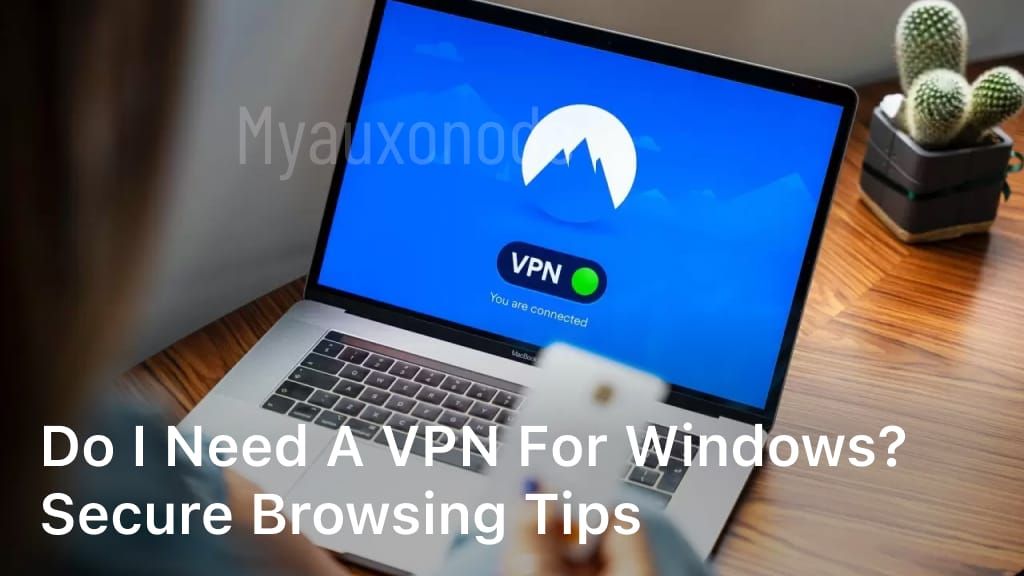
Welcome to our informative guide on the necessity of using a VPN for Windows. In this article, we will explore the importance of securing your online activities and protecting your digital privacy while using Windows devices. Whether you are a casual internet user or a frequent online shopper, the use of a VPN is essential to enhance your digital security. With the increasing number of cyber threats and privacy concerns, it is crucial to take proactive measures to protect your personal information. A VPN, or Virtual Private Network, creates a secure and encrypted connection between your Windows device and the internet. It shields your online activities from prying eyes and safeguards your sensitive data from potential hackers or identity theft. Using a VPN on your Windows device not only ensures your digital safety but also provides numerous benefits. It allows you to access geo-restricted content, such as streaming services or websites limited to specific regions. Additionally, a VPN enables you to browse the internet anonymously, keeping your online activities hidden from your internet service provider (ISP) and other third-party entities. In the upcoming sections of this guide, we will dive deeper into the benefits of using a VPN on Windows, the specific requirements and importance for Windows users, tips for choosing the best VPN, and secure browsing practices with a VPN. By the end of this article, you will have a comprehensive understanding of why a VPN is a necessity for Windows users and how to make the most out of this powerful tool to ensure your online security and privacy. Benefits of Using VPN on Windows Using a VPN on your Windows device comes with several compelling benefits. Whether you are browsing the internet, streaming content, or accessing sensitive information, a VPN can enhance your digital experience, providing you with increased security and privacy. Below are some of the key advantages of using a VPN on Windows: Secure Internet Connection: One of the primary benefits of using a VPN on Windows is the ability to establish a secure and encrypted connection. This ensures that your data, such as passwords, financial information, and personal details, are protected from hackers and cybercriminals. Access Geo-Restricted Content: With a VPN, you can bypass geo-restrictions imposed on certain websites or streaming platforms. By connecting to a server in a different location, you can access content that may otherwise be unavailable in your region. Protect Personal Information: A VPN helps safeguard your personal information from prying eyes. It masks your IP address by routing your internet traffic through a secure server, making it difficult for websites or third parties to track your online activities. Prevent Bandwidth Throttling: Internet service providers (ISPs) often throttle the speed of certain online activities, such as streaming or torrenting. By using a VPN, you can encrypt your internet traffic and prevent your ISP from monitoring or reducing your bandwidth. Bypass Censorship: In countries with strict internet censorship, a VPN can help you access blocked websites and online services. By connecting to a VPN server in a different country, you can browse the internet freely and securely. Anonymity and Privacy: A VPN provides an additional layer of anonymity by masking your real IP address. It keeps your online activities private and protects your identity from advertisers, government surveillance, and other entities trying to monitor your online behavior. These are just a few of the many advantages of using a VPN on Windows. Whether you are concerned about online privacy or simply want to enjoy unrestricted internet access, a VPN can significantly enhance your online experience and provide peace of mind. Windows VPN Requirements and Importance When it comes to using a VPN on Windows, there are certain requirements that Windows users need to be aware of. Understanding these requirements is crucial to ensure a seamless and secure VPN experience. In this section, we will explore the essential requirements for using a VPN on Windows and highlight the importance of utilizing a VPN for Windows users. Compatibility with Different Windows Versions A Windows VPN should be compatible with various Windows versions to cater to the diverse user base. Whether you are using Windows 10, Windows 8, or even older versions like Windows 7, it’s important to choose a VPN provider that supports your specific Windows version. This compatibility ensures that you can enjoy the benefits of a VPN no matter which Windows operating system you are using. The Significance of Using a VPN for Windows Users Using a VPN on Windows is not just a luxury; it is an essential tool for online safety and privacy. Windows users are prime targets for cybercriminals due to the popularity of the operating system. By using a VPN, Windows users can encrypt their internet traffic, protecting it from prying eyes and hackers. A VPN also masks your IP address, making it difficult for anyone to trace your online activities back to you. Whether you are accessing public Wi-Fi networks or streaming content, a VPN ensures that your personal information remains secure at all times. Moreover, a VPN allows Windows users to bypass restrictions and access geo-blocked content. Whether you want to stream your favorite shows or access websites that are regionally restricted, a VPN can provide you with the freedom to browse the internet without limitations. In conclusion, the requirements for using a VPN on Windows are straightforward—compatibility with your Windows version, and the importance of using a VPN for Windows users cannot be overstated. By meeting these requirements and understanding the significance of VPN usage, Windows users can confidently safeguard their online presence and enjoy a safe, private, and unrestricted browsing experience. How to Choose the Best VPN for Windows When it comes to selecting a VPN for Windows, it’s important to consider a few key factors that will ensure you get the best possible experience. Here are some useful tips to help you choose the best VPN for Windows: 1. Speed One of the most crucial aspects to consider is the speed of the VPN. Look for a

Different Types of VPN Explained Simply
Welcome to our guide on the different types of VPN, where we will simplify the complicated world of virtual private networks. In today’s digital landscape, where online privacy is a growing concern, understanding VPN protocols and services is essential for safeguarding your personal information. A VPN, or virtual private network, is a technology that creates a secure and encrypted connection over a public network, such as the internet. It allows you to browse the web anonymously and securely by masking your IP address and encrypting your data. There are various VPN protocols and services available. VPN protocols refer to the methods by which the VPN establishes a secure connection, while VPN services are the providers that offer these protocols to users. In the next sections, we will delve into the different VPN protocols, explore the factors to consider when choosing a VPN service, discuss connectivity options, and provide insights on secure VPN solutions for different platforms. We will also explain the encryption methods used by VPNs and examine the advantages and disadvantages of different VPN types. By the end of this guide, you will be equipped with the knowledge to make an informed decision about the right VPN for your needs. So let’s dive in and unravel the world of VPNs. Understanding VPN Protocols When it comes to establishing secure connections, VPN protocols play a crucial role. In this section, we will delve into the different VPN protocols and technologies that are widely used in the industry. Understanding these protocols will help you make informed decisions regarding your online privacy and security. OpenVPN OpenVPN is one of the most popular VPN protocols due to its open-source nature and strong security features. It provides a high level of encryption and supports various operating systems, making it versatile and widely compatible. IKEv2 IKEv2, short for Internet Key Exchange version 2, is a protocol known for its stability and speed. It establishes secure connections quickly, making it suitable for mobile devices. Additionally, it can automatically reconnect if the connection is interrupted, ensuring seamless browsing experiences. L2TP/IPSec L2TP/IPSec, or Layer 2 Tunneling Protocol/Internet Protocol Security, is a protocol that combines the best of both L2TP and IPSec. L2TP provides the tunnel for data transmission, and IPSec handles the encryption and authentication processes. This protocol offers robust security and is widely supported by various devices. While these are just a few examples, there are other VPN protocols such as SSTP, PPTP, and WireGuard that offer their own unique features and advantages. It’s important to understand the strengths and weaknesses of each protocol to choose the one that best suits your needs. Choosing the Right VPN Service When it comes to selecting the best VPN service for your needs, there are several factors to consider. A reliable VPN service not only provides online privacy and security but also offers a seamless browsing experience. Let’s explore the key features to look for when choosing a VPN: Server Locations: One important factor to consider is the availability of VPN servers in your desired locations. The more server locations a VPN service offers, the better chances you have of accessing geo-restricted content and enjoying faster connection speeds. Look for VPN providers that offer a wide range of server locations across different countries. Encryption Levels: Another crucial aspect to consider is the encryption level offered by the VPN service. Look for VPN services that use strong encryption protocols, such as AES-256, to safeguard your data from prying eyes. Strong encryption ensures that your online activities remain private and protected from potential threats. User-Friendly Interfaces: Usability is key when it comes to VPN services. Look for providers that offer user-friendly interfaces and intuitive apps that are easy to navigate. A user-friendly VPN client will make it simpler for you to connect to different servers and customize your VPN settings according to your preferences. Cross-Platform Compatibility: If you use multiple devices, it’s important to choose a VPN service that is compatible with different platforms. Look for VPN providers that offer apps for Windows, Mac, iOS, and Android, ensuring a seamless VPN experience across all your devices. Customer Support: Technical glitches can occur at times, so having reliable customer support is essential. Look for VPN services that provide 24/7 customer support via live chat or email. Prompt and responsive customer support will ensure that any issues you encounter are quickly resolved. By considering these factors, you can make an informed decision and choose the best VPN service that caters to your needs. Remember, a reliable VPN service should offer a wide range of server locations, strong encryption, user-friendly interfaces, cross-platform compatibility, and excellent customer support. VPN Connectivity Options When it comes to connecting to a VPN, you have several options available to ensure a secure and private browsing experience. In this section, we will explore these different VPN connectivity options and provide insights into their benefits and limitations. VPN Apps One of the most popular ways to connect to a VPN is through dedicated VPN apps. These apps are available for various platforms like Windows, Mac, iOS, and Android, making it easy to establish a secure connection with just a few clicks. VPN apps are user-friendly and provide a seamless experience, allowing you to browse the internet securely on your device. Router Configuration Another option for VPN connectivity is configuring your router to connect to a VPN. By setting up VPN on your router, you can protect all devices connected to your home network, including smart TVs, gaming consoles, and IoT devices. This ensures that every device accessing the internet through your router is secured by the VPN, enhancing your overall online privacy. Browser Extensions If you prefer a more lightweight option, browser extensions can be a convenient choice for VPN connectivity. These extensions, available for popular browsers like Chrome and Firefox, encrypt your browsing data and route it through a remote server to maintain your privacy. While browser extensions offer simplicity and ease of use, they may not provide full device-wide
Understanding Risks of Public WiFi Networks
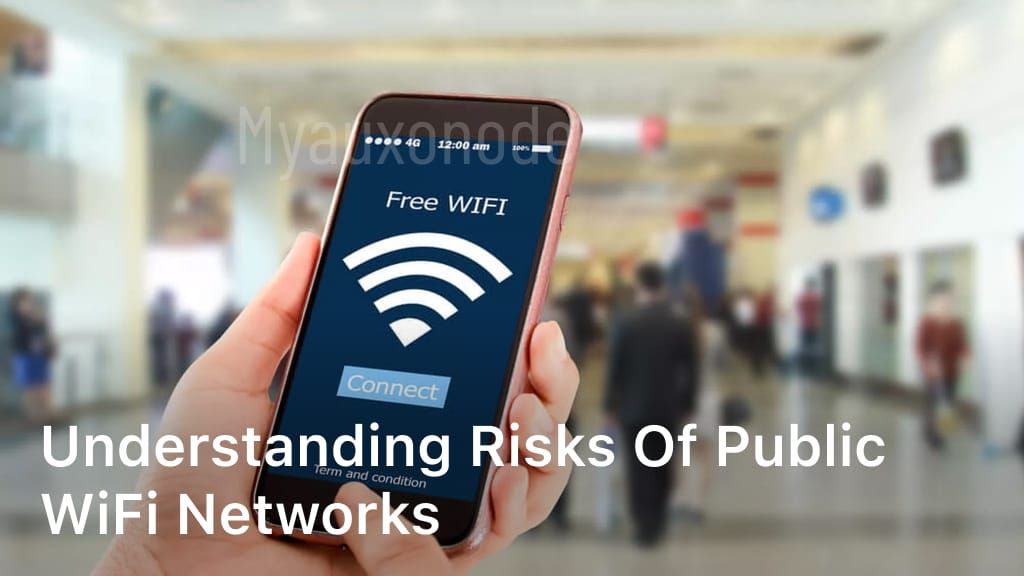
Public WiFi networks have become a convenient way for people to connect to the internet while on the go. Whether it’s at a coffee shop, airport, or hotel, these networks provide easy access to browse the web, check emails, and stay connected. However, it’s important to be aware of the potential risks and dangers that come with using public WiFi. When connecting to a public WiFi network, there are various security risks that users can face. Hackers and cybercriminals often target these networks to exploit vulnerabilities and gain unauthorized access to users’ devices or sensitive information. These risks include: Risk of public wifi: Public WiFi networks are often unsecured, making it easier for hackers to intercept and view the data being transmitted between your device and the network. Dangers of public wifi: Connecting to a compromised public WiFi network can expose your personal information, such as login credentials, credit card details, and private communications, to potential attackers. Public WiFi security risks: Public WiFi networks are susceptible to various types of attacks, including man-in-the-middle attacks, packet sniffing, and session hijacking, which can compromise your online security and privacy. It is essential to understand these risks to protect yourself and your personal information when using public WiFi networks. By taking necessary precautions and implementing security measures, you can minimize the potential dangers and ensure a safer online experience. Common Types of Public WiFi Vulnerabilities When connecting to public WiFi networks, it’s important to be aware of the risks involved. Public WiFi networks are known to have vulnerabilities that can be exploited by hackers, potentially compromising your sensitive data and exposing you to various threats. In this section, we will explore some of the common types of vulnerabilities found in public WiFi networks. By understanding these vulnerabilities, you can better protect yourself and minimize the risks associated with using public WiFi networks that are not properly secured. 1. Man-in-the-Middle Attacks One of the most prevalent vulnerabilities in public WiFi networks is the risk of man-in-the-middle (MITM) attacks. This occurs when a hacker intercepts the communication between your device and the network, allowing them to view and potentially alter the data being transmitted. With this access, hackers can steal sensitive information such as login credentials, financial details, or personal data. 2. Evil Twin Attacks Another common vulnerability is the presence of evil twin networks. These networks mimic legitimate WiFi networks to deceive unsuspecting users into connecting to them. Once connected, hackers can monitor your online activities, capture sensitive information, and even inject malicious code into your device. It’s crucial to always verify the legitimacy of public WiFi networks before connecting to them. 3. Wi-Fi Sniffing Wi-Fi sniffing involves intercepting the wireless traffic on a public WiFi network to capture unencrypted data transmitted between devices. Hackers can exploit this vulnerability to access your emails, browsing history, or other personal information. It’s important to be cautious when transmitting sensitive data and use secure and encrypted connections whenever possible. 4. Malware Distribution Public WiFi networks can also be used as a platform for distributing malware. Hackers can inject malware into unsecured networks or compromise legitimate networks to trick users into downloading malicious files or visiting compromised websites. Once infected, your device can be used to steal your personal information or launch further attacks. 5. Network Spoofing In network spoofing attacks, hackers create fake WiFi networks with names similar to legitimate networks to trick users into connecting to them. Once connected, hackers can monitor your online activities, capture sensitive information, and potentially gain access to your device. It’s important to always double-check the network name and only connect to trusted and verified networks. By understanding these common vulnerabilities, you can take proactive measures to protect yourself when using public WiFi networks. In the next section, we will discuss practical tips and strategies to safeguard your privacy on public WiFi networks and mitigate the risks associated with using them. Protecting Your Privacy on Public WiFi When connecting to public WiFi networks, it is crucial to be aware of the potential privacy risks and threats that you may encounter. Public WiFi networks, although convenient, can pose significant risks to your personal information and sensitive data. Without proper precautions, your data may be intercepted by malicious eavesdroppers or compromised by hackers. To safeguard your privacy and protect yourself from these risks, follow these practical tips and strategies: Use a VPN: A Virtual Private Network (VPN) encrypts your internet connection, making it more secure. It creates a private tunnel that shields your data from prying eyes, ensuring that your online activities remain private and anonymous. Before connecting to a public WiFi network, always enable your VPN to add an extra layer of security. Avoid accessing sensitive information: Public WiFi networks are not the place to conduct sensitive transactions or access confidential information. Avoid logging into your bank accounts, shopping on e-commerce websites, or entering passwords on public WiFi. If possible, wait until you have a secure and trusted internet connection. Disable automatic connections: Your device may be set to automatically connect to known WiFi networks. However, this convenience can put your privacy at risk if the network is compromised. Disable this feature to ensure that you have control over which networks you connect to, rather than automatically connecting to potentially insecure networks. Enable two-factor authentication: Two-factor authentication (2FA) adds an extra layer of security by requiring a second form of verification, such as a code sent to your phone, when logging into accounts. This helps protect your sensitive information even if your password is compromised. Keep your devices updated: Regularly updating your devices’ operating systems and applications is crucial for security. Updates often include patches for vulnerabilities, keeping your device protected against the latest threats. By implementing these measures, you can significantly reduce the risks of connecting to public WiFi and protect your privacy while using these networks. Steps to Enhance Public WiFi Security When using public WiFi networks, it is essential to take steps to enhance the security of your connection and protect your sensitive information from potential

Free vs Paid VPN: Which Is Right For You?
Welcome to our comprehensive guide on free vs paid VPN services. With the increasing need for online privacy and security, choosing the right VPN can be a daunting task. This article aims to assist you in making an informed decision by providing insights into the advantages and disadvantages of both free and paid VPN services. Whether you are concerned about protecting your sensitive data, accessing region-restricted content, or simply browsing the internet anonymously, understanding the key differences between free and paid VPNs is crucial. In this article, we will discuss the pros and cons of each option, helping you determine which one aligns best with your needs. While free VPN services may appeal to budget-conscious users, they often come with limitations in terms of server locations, speed, and potential privacy concerns. On the other hand, paid VPN services offer enhanced security, faster speeds, and a wider range of server options, albeit at a cost. To help you navigate the world of VPNs, we’ll provide recommendations for reputable free and paid VPN providers. We will also guide you through the selection process, highlighting factors to consider such as encryption protocols, server networks, device compatibility, and pricing plans. By the end of this article, you will be equipped with the knowledge needed to choose the best VPN for your unique requirements. So let’s dive in and explore the differences between free and paid VPN services to find the right option for you. Understanding Free VPN Services When it comes to protecting your online privacy and security, VPN services are a popular choice. While some VPN providers charge a fee for their services, there are also free options available. In this section, we will explore the world of free VPN services and help you understand the pros and cons of using them. The Benefits of Free VPN Services One of the main advantages of opting for a free VPN service is the cost savings. With a free VPN, you can enjoy the benefits of encryption and anonymity without having to pay a dime. This is especially beneficial for individuals who have a limited budget or don’t require all the features offered by paid VPN providers. The Drawbacks of Free VPN Services However, it’s important to understand the potential drawbacks of using free VPN services. Firstly, free VPNs often have limited server locations, which means you may not have as many options for accessing geo-restricted content. Additionally, free VPNs tend to have slower speeds compared to their paid counterparts. This can be frustrating if you rely on fast internet connections for streaming or downloading large files. Another concern with free VPNs is the potential compromise of privacy. As these services are offered for free, they may collect and sell your data to third parties for advertising purposes. This undermines the very purpose of using a VPN for privacy protection. Reputable Free VPN Providers If you decide to go with a free VPN service, it is crucial to choose a reputable provider that values your privacy. Here is a list of trusted free VPN providers that you can consider: Hotspot Shield TunnelBear Windscribe ProtonVPN Hide.me These providers have been thoroughly reviewed and have a track record of delivering reliable free VPN services while prioritizing user privacy. Now that we have explored the world of free VPN services, let’s move on to the next section where we will discuss the benefits and drawbacks of paid VPN services. Exploring Paid VPN Services When it comes to VPN services, opting for a paid subscription can bring a host of advantages that make it worth considering. In this section, we will delve into the benefits of paid VPN services and provide an overview of some reliable paid VPN providers. Enhanced Security One of the primary advantages of opting for a paid VPN service is enhanced security. With paid VPN providers, you can expect robust encryption protocols that ensure your data remains private and protected from prying eyes. This added layer of security is particularly important when accessing public Wi-Fi networks or conducting sensitive online activities. Faster Speeds Another significant benefit of paid VPN services is faster connection speeds. Free VPNs often have limited bandwidth and may throttle your internet speed, resulting in slower browsing and streaming experiences. By investing in a paid VPN, you can enjoy faster speeds, allowing you to seamlessly stream content, play online games, and download files without any lag or interruptions. Wider Range of Server Locations Paid VPN providers typically offer a wider range of server locations compared to free options. This means you can access geo-restricted content from various countries, bypass censorship, or simply choose a server nearest to your physical location for optimal performance. The flexibility to connect to numerous servers globally gives you more versatility and control over your online experience. Considerations: Cost and Subscription While paid VPN services offer several advantages, it’s important to consider factors like cost and the need for a subscription. Paid VPNs often require a monthly or annual payment, which might not be suitable for everyone. However, many providers offer competitive pricing plans, allowing you to choose a package that fits your budget and requirements. To help you make an informed decision, we have compiled a list of reliable paid VPN providers. These include well-known brands such as ExpressVPN, NordVPN, and CyberGhost. Each provider offers different features, pricing plans, and server networks, so you can find the one that aligns with your specific needs. By opting for a paid VPN service, you gain access to enhanced security, faster speeds, and a wider range of server locations. However, it’s important to weigh the advantages against the cost and decide if a paid VPN is the right choice for you. Choosing the Best VPN for Your Needs When it comes to securing your online activities, selecting the right VPN is crucial. In this section, we will walk you through the process of choosing the best VPN for your specific requirements. Keep in mind the following factors: Encryption Protocols: Look
10 Secure File Sharing Platform for Safe Transfer
Welcome to our comprehensive guide on secure file sharing platforms. In today’s digital age, protecting the confidentiality and integrity of your data while transferring files is of utmost importance. That’s why we have curated a list of 10 secure file sharing platforms that provide top-notch security and ensure a safe transfer of your files. These platforms offer secure file sharing services, giving you the peace of mind that your sensitive information remains protected throughout the sharing process. Whether you are an individual or a business, these platforms have the features and reliability you need for secure file sharing. With the rise of cyber threats and data breaches, it’s crucial to use a secure file sharing platform that prioritizes the security of your files. By choosing one of these trusted solutions, you can safeguard your data and maintain control over who has access to your files. Whether you need to securely share documents, collaborate on projects, or transfer files between users, these platforms offer the tools and security measures to ensure a secure file sharing experience. Let’s explore these secure file sharing platforms in detail and find the perfect solution for your needs. Files.com Files.com is a secure file sharing platform that focuses on providing a secure document sharing platform. With its robust features, you can safely transfer files and ensure the security of your data. It offers a secure file transfer process and is an ideal solution for secure file sharing. FileWhopper FileWhopper is a reliable and secure file sharing platform that allows for secure file exchange. Whether you need to transfer large files or sensitive documents, FileWhopper ensures the safety of your data throughout the transfer process. With its robust security measures, you can confidently share files and collaborate with others, knowing that your information is protected. FileWhopper provides a secure file sharing service that prioritizes the security and privacy of your files. It uses end-to-end encryption to safeguard your data, making it virtually impossible for unauthorized individuals to access your files. Moreover, FileWhopper allows you to set passwords for your files, providing an extra layer of protection. With FileWhopper, you can securely share files of any size without any restrictions. The platform has a user-friendly interface, making it easy for anyone to use, even if you’re not tech-savvy. Simply drag and drop your files into the provided space, and FileWhopper will generate a unique link that you can share with your intended recipient. When it comes to secure file sharing platforms, FileWhopper stands out as a trusted solution. Whether you’re a professional sharing confidential documents or an individual transferring personal files, FileWhopper ensures the security of your data and offers a seamless file sharing experience. Try FileWhopper today and experience secure file exchange like never before. Dropbox Dropbox is a well-known and trusted secure file sharing platform that provides a reliable and secure way to share files. With its advanced security features, Dropbox ensures the safety of your data and offers a seamless file sharing experience. Whether you are an individual or a business, Dropbox is a go-to solution for secure file sharing. Key Features of Dropbox: End-to-end encryption: Dropbox uses robust encryption protocols to protect your files during transfer and storage, ensuring that only authorized parties can access them. Password protection and expiration: With Dropbox, you can set passwords and expiration dates for shared files, adding an extra layer of security and control over your shared content. Access controls: Dropbox allows you to easily manage access permissions for shared files, ensuring that only intended recipients can view or edit them. File recovery and version history: In case of accidental deletions or changes, Dropbox provides file recovery options and maintains a detailed version history, allowing you to revert to previous versions of your files. Whether you need to collaborate on projects, share sensitive documents, or distribute files securely, Dropbox offers a comprehensive secure file sharing platform that meets your needs. With its user-friendly interface and robust security measures, Dropbox is a reliable choice for individuals and businesses seeking a secure file sharing solution. G Suite Google Drive G Suite Google Drive is a secure file sharing platform that provides businesses and individuals with a secure document sharing solution. With its strong encryption and access controls, G Suite Google Drive ensures the security of your files throughout the sharing process. Whether you need to collaborate on documents, share files securely with clients, or store sensitive data, G Suite Google Drive offers a reliable and secure platform. Its user-friendly interface makes it easy to navigate and manage your files, while its advanced security measures protect your data from unauthorized access. With G Suite Google Drive, you can confidently share and store sensitive documents, knowing that your information is secure. Its secure file sharing platform and robust features make it a trusted solution for businesses and individuals who prioritize data security. Key features of G Suite Google Drive include: Secure document sharing capabilities Encryption to protect files during transit and storage Granular access controls to manage file permissions Version control to track and revise documents Integration with other G Suite apps for seamless collaboration Whether you are working on a team project or sharing important files with clients, G Suite Google Drive provides a secure file sharing solution. With its trusted reputation and reliable performance, G Suite Google Drive is an excellent choice for secure document sharing and file collaboration. Microsoft OneDrive for Business Microsoft OneDrive for Business is a secure file sharing platform that prioritizes secure file transfer. With its robust security features, you can rest assured that your data is protected during the sharing process. OneDrive for Business offers a comprehensive set of security measures, including encryption and access controls, to ensure the confidentiality and integrity of your files. It provides a secure sharing platform that allows you to collaborate with ease, both internally and externally. OneDrive for Business integrates seamlessly with other Microsoft tools, such as Microsoft Office and SharePoint, making it an ideal choice for businesses
5 Data Backup Best Practice [Prevent the Data Loss]
In today’s digital age, data is the lifeblood of businesses and individuals alike. Losing valuable data can be disastrous, leading to financial losses, legal complications, and damaged reputations. That’s why implementing effective data backup practices is crucial to ensure the security and retrievability of your information. In this article, we will explore five essential data backup best practices that can help you prevent catastrophic data loss. By following these practices, you can safeguard your data and minimize the risks associated with data breaches, hardware failures, and other unforeseen events. Implement the 3-2-1 Backup System The 3-2-1 backup system is a widely recommended strategy for data protection. It offers a straightforward approach to ensure the safety and availability of your important data. By following this system, you can significantly minimize the risk of data loss and improve your overall backup strategy. What is the 3-2-1 Backup System? The 3-2-1 backup system involves creating three copies of your data, storing them on two different types of media, and keeping one backup offsite. Let’s break it down: Create three copies: Make three independent copies of your data to provide redundancy. With multiple copies, you decrease the chances of losing your data in the event of a hardware failure or accidental deletion. Use two different types of media: Store your data on at least two different types of storage media, such as external hard drives, network-attached storage (NAS), tape drives, or solid-state drives (SSDs). This ensures protection against failures specific to a particular type of media. Keep one backup offsite: Store one copy of your data offsite, in a different physical location from your primary data and on different media. This protects against disasters like fires, floods, or theft that could potentially damage or destroy all your data if it was stored in a single location. By implementing the 3-2-1 backup system, you create multiple layers of protection for your data, increasing the chances of successful data recovery in various scenarios. Tips for Implementing the 3-2-1 Backup System Automate backups: Set up automated backup processes to ensure regular and consistent backups without relying on manual interventions. Verify backups: Periodically verify the integrity and restorability of your backups to ensure they are reliable and up to date. Encrypt your backups: Apply encryption to your backups to protect your data from unauthorized access in case the backup media is lost or stolen. Consider cloud storage: Utilize cloud storage services as one of your backup locations. Cloud backups offer flexibility, scalability, and offsite protection without the need for physical media. Create a backup schedule: Establish a backup schedule that aligns with the importance and frequency of changes to your data. Regularly review and update the schedule as your needs evolve. Implementing the 3-2-1 backup system is a foundational step towards safeguarding your data. By creating multiple copies of your data, diversifying storage media, and keeping an offsite backup, you can establish a robust backup strategy that ensures efficient data backup solutions and protects against data loss. Consider the Convenience of Cloud Backups When it comes to safeguarding your valuable data, cloud backups are an incredibly convenient and efficient solution. With cloud storage, you can enjoy a host of benefits including scalability, flexibility, and enhanced data security. Let’s explore why incorporating cloud backups into your data backup management strategy is a wise decision. The Advantages of Cloud Backups 1. Convenience: Cloud backups eliminate the need for external hard drives or physical storage devices. With just an internet connection, you can securely store and access your data from anywhere, at any time. 2. Scalability: Cloud storage provides the flexibility to expand your backup capacity as your data grows. You can easily adjust your storage needs without worrying about investing in additional hardware or infrastructure. 3. Cost-effectiveness: By shifting to cloud backups, you can save on hardware costs, maintenance expenses, and operational overheads. Cloud storage providers offer flexible pricing plans, allowing you to pay only for the storage you use. Tips for Ensuring Secure Data Storage While cloud backups offer enhanced convenience, it’s essential to ensure the security of your data. Consider the following tips when managing your cloud backups: Choose a reputable cloud storage provider that offers robust encryption protocols and data protection measures. Implement multi-factor authentication to add an extra layer of security to your cloud storage account. Regularly update your passwords and enable strong, complex ones to prevent unauthorized access. Encrypt sensitive data before uploading it to the cloud to ensure utmost privacy. Regularly monitor your cloud backups and review access logs to detect any suspicious activity. By following these best practices, you can ensure the secure storage of your data in the cloud and mitigate the risk of unauthorized access or data breaches. Use a Backup-as-a-Service Provider When it comes to automated data backup and disaster recovery planning, using a backup-as-a-service (BaaS) provider can be a game-changer. BaaS providers offer robust and reliable backup solutions that simplify the entire process, ensuring that your data is protected and easily recoverable. The Benefits of Using a Backup-as-a-Service Provider Automated Data Backup: With a BaaS provider, you can automate your data backup process, eliminating the need for manual backups. This not only saves time but also reduces the risk of human error. Added Reliability: BaaS providers often have redundant storage systems and backup infrastructure in place, ensuring the reliability and availability of your backups. This minimizes the chances of data loss and enhances the overall security of your information. Scalability and Flexibility: BaaS providers offer scalable solutions, allowing you to easily adjust your backup storage capacity as your data grows. You can also choose the frequency of backups to match your specific requirements. Choosing the Right Backup-as-a-Service Provider When selecting a BaaS provider, consider the following: Security Measures: Ensure that the provider employs industry-standard security protocols, such as encryption and secure data transfer. Additionally, look for certifications and compliance with regulatory standards to ensure the protection of your sensitive information. Disaster Recovery Planning: Evaluate the provider’s disaster recovery
Identity Theft Prevention: What to Avoid Identity Theft
Welcome to our comprehensive guide on identity theft prevention. In today’s digital world, protecting yourself against identity theft is more important than ever. By taking proactive measures and following essential tips, you can safeguard your personal information and ensure your online presence is secure. In this article, we will explore effective strategies and techniques to protect against identity theft and provide you with the knowledge you need to stay safe. Identity theft is a serious crime that can have devastating consequences. Criminals can use stolen personal information to commit fraud, open credit accounts, and even access your financial resources. However, by understanding the risks and implementing preventive measures, you can significantly reduce the chances of falling victim to identity theft. Throughout this guide, we will cover various aspects of identity theft prevention. From understanding the concept of identity theft to exploring online risks and prevention techniques, we will equip you with the knowledge to navigate the digital landscape safely. Additionally, we will discuss different measures you can incorporate into your daily life to prevent identity theft and highlight the services available to provide you with extra protection. Remember, identity theft prevention is not a one-time task but an ongoing effort. By staying informed and remaining vigilant, you can protect your personal information and preserve your peace of mind. Let’s dive into the world of identity theft prevention and arm ourselves with the tools needed to stay one step ahead of cybercriminals. Understanding Identity Theft In this section, we will delve into the concept of identity theft and its potential implications. It’s crucial to have a deeper understanding of how identity theft occurs to effectively protect yourself against it. By familiarizing yourself with the various prevention tips and strategies, you can safeguard your personal information and keep it out of the hands of identity thieves. How Does Identity Theft Happen? Identity theft can happen through various means, including: Phishing scams: Fraudulent emails or websites designed to trick you into revealing personal information Data breaches: Hackers gaining unauthorized access to databases containing personal information Lost or stolen documents: Physical theft of documents like passports, driver’s licenses, or credit cards Prevention Tips and Strategies To protect yourself from identity theft, consider implementing the following prevention measures: Monitor your financial accounts regularly for any suspicious activity Secure your devices with strong passwords and enable multi-factor authentication Be cautious when sharing personal information online or over the phone Shred documents containing sensitive information before disposing of them Regularly check your credit reports for any errors or unauthorized accounts By staying informed and implementing these identity theft prevention strategies, you can significantly reduce the risk of becoming a victim. Protecting your personal information is crucial in today’s digital world, and being proactive is key to maintaining your security. Online Identity Theft Prevention With the increasing prevalence of online activities, protecting your personal information from identity theft has never been more crucial. Online identity theft poses specific risks that require targeted prevention techniques. By implementing the following strategies, you can safeguard your online activities and reduce the risk of falling victim to cybercriminals. 1. Use Strong and Unique Passwords Creating strong, complex passwords for your online accounts is an essential first step in online identity theft prevention. Avoid using easily guessable passwords such as your name or birthdate. Instead, use a combination of upper and lowercase letters, numbers, and special characters. Additionally, use a unique password for each account to minimize the impact of a potential data breach. 2. Enable Two-Factor Authentication Enable two-factor authentication whenever possible to add an extra layer of security to your online accounts. This method requires you to provide a secondary form of verification, such as a code sent to your mobile device, after entering your password. It significantly reduces the risk of unauthorized access even if your password is compromised. 3. Be Cautious of Phishing Attempts Phishing emails and websites are common tools used by cybercriminals to trick individuals into revealing their personal information. Be cautious of any emails or messages asking for sensitive data such as passwords, account numbers, or social security numbers. Verify the legitimacy of the sender or website before providing any information. 4. Keep Your Software Updated Regularly update the software on your devices, including your operating system, web browser, and antivirus software. Software updates often include patches for security vulnerabilities that cybercriminals may exploit. By keeping your software up to date, you ensure that you have the latest security measures in place. 5. Secure Your Wi-Fi Network Protect your home Wi-Fi network with a strong password and encryption. Use the WPA2 encryption standard, which is currently the most secure option. Avoid using common or easily guessable network names (SSIDs) and change the default admin credentials for your router. 6. Be Mindful of Social Media Sharing Be cautious about the personal information you share on social media platforms. Avoid sharing sensitive details such as your full address, phone number, or birthdate publicly. Cybercriminals often gather information from social media to facilitate identity theft. By following these online identity theft prevention techniques, you can minimize the risk of becoming a victim of cybercriminals. Protecting your online identity is crucial in today’s digital world, and staying informed and proactive is the key to maintaining a secure online presence. Identity Theft Prevention Measures Protecting yourself against identity theft requires implementing various measures in your daily life. By taking proactive steps to safeguard your personal information and adopting secure practices, you can significantly reduce the risk of falling victim to identity theft. Here are some effective identity theft prevention strategies: Safeguard your personal documents: Keep important documents, such as your social security card, birth certificate, and passports, in a secure location. Consider investing in a home safe or lockbox to protect them from unauthorized access. Use strong and unique passwords: Create strong passwords for your online accounts and avoid using the same password for multiple websites. Incorporate a combination of letters, numbers, and special characters to make it harder for cybercriminals to
