Traveling solo is one of the most liberating and transformative experiences a person can have. It's a journey of self-discovery, pushing you out of your comfort zone and connecting you with the world on your own terms. However, the excitement of planning a solo adventure is often accompanied by a flicker of apprehension, especially concerning personal safety. Friends and family might voice their concerns, and headlines can seem daunting. The key to unlocking the full potential of this incredible experience lies not in fear, but in preparation and awareness. This guide is designed to be your comprehensive resource on how to stay safe when traveling solo, empowering you with the knowledge and tools to navigate the globe confidently and securely.
The Foundation of Safety: Pre-Trip Preparation and Research
The single most important phase for ensuring a safe solo trip happens before you even pack your bags. Thorough preparation is your first and best line of defense. By investing time in research and planning, you minimize uncertainties and equip yourself to handle potential challenges with confidence. A well-prepared traveler is less likely to appear vulnerable and is better equipped to make smart decisions on the ground. This foundational step is not about eliminating all spontaneity; rather, it’s about creating a secure framework within which you can freely and safely improvise.
Your preparation should be multi-faceted, covering everything from the cultural nuances of your destination to the fine print of your travel insurance. Consider this phase your homework; the more you do now, the less you'll have to worry about later. A solid plan reduces anxiety and replaces it with a sense of control, allowing you to focus on the joy and wonder of the journey ahead.
Think of it as building a house. You wouldn't start putting up walls without a solid foundation. Similarly, you shouldn't land in a new country without a foundational understanding of its environment, customs, and potential risks. This proactive approach to safety is what distinguishes a savvy solo traveler from a naive tourist.
Researching Your Destination Thoroughly
The first step is to become an expert on where you're going. Go beyond glossy travel blogs and idyllic Instagram posts. Dive deep into official sources like your home country's government travel advisories (e.g., the U.S. Department of State or the UK's FCDO). These sites provide up-to-date information on political stability, common scams, health risks, and specific areas to avoid. This isn't meant to scare you, but to inform you of the reality on the ground.
Furthermore, research local customs and cultural etiquette. How should you dress? Are there specific gestures or behaviors that are considered rude? Understanding and respecting the local culture not only enriches your experience but also helps you blend in, which is a powerful safety tool. Learning a few key phrases in the local language, such as hello, thank you (gracias, merci), excuse me, and help, can be incredibly useful and is often appreciated by locals. This effort shows respect and can be a bridge to getting assistance if you need it.
Choosing Safe Accommodation
Where you sleep is your sanctuary, and its safety is paramount. When booking accommodation, whether it’s a hotel, hostel, or Airbnb, a meticulous approach is necessary. Start by reading recent reviews, paying special attention to comments from other solo travelers, especially solo female travelers. Look for mentions of location safety, staff helpfulness, security features like 24-hour reception, keycard access to floors, and in-room safes or secure lockers.
Location is just as important as the accommodation itself. Use Google Maps and its Street View feature to get a virtual feel for the neighborhood. Is it well-lit at night? Is it located on a main street or tucked away in a dark alley? Check its proximity to public transportation and reputable restaurants. Opting for a place that's slightly more expensive but located in a much safer, more central area is a wise investment in your peace of mind. For those staying in hostels, consider booking a bed in a female-only dorm for an added layer of comfort and security.
Securing Your Documents and Finances
Losing your passport or having your credit cards stolen can turn a dream trip into a logistical nightmare. Before you leave, make multiple copies of your essential documents. This includes your:
- Passport and visa pages
- Driver's license or other government-issued ID
- Flight and accommodation confirmations
- Travel insurance policy
Keep one physical set of copies in a separate part of your luggage from the originals. More importantly, have digital copies stored securely in the cloud (e.g., Google Drive, Dropbox) and on your phone. Also, email a copy to yourself and a trusted contact back home. This redundancy ensures you can access your information from anywhere in the world, even if all your physical belongings are lost. For finances, never carry all your cash and cards in one place. Split them between your wallet, a money belt worn under your clothes, and a secure pocket in your daypack. Inform your banks of your travel dates and destinations to prevent them from freezing your cards due to suspected fraudulent activity.
Situational Awareness: Your Most Powerful Tool on the Ground
Once you arrive at your destination, your most crucial safety asset is your own mind. Situational awareness is the practice of being present and observant of your surroundings, recognizing potential threats before they escalate. It's not about being paranoid; it's about being engaged with the world around you instead of being lost in your phone or thoughts. A traveler who is alert and aware is a far less appealing target for pickpockets, scammers, and other opportunists who prey on the distracted.
Developing this skill involves using all your senses. Listen to the rhythm of the city, watch how people interact, and notice when something feels "off." This constant, low-level monitoring becomes second nature with practice. It allows you to appreciate the details of your environment while simultaneously keeping a protective bubble around yourself. It’s the difference between walking with purpose and meandering aimlessly, which can signal vulnerability.
This conscious awareness extends to your own behavior and how you are perceived. By adopting certain habits—like knowing your route before you leave your hotel or handling your belongings securely—you project an aura of confidence. This projection is a powerful, non-verbal deterrent. It communicates that you are not an easy target.
Blending In and Respecting Local Culture
One of the most effective ways to avoid unwanted attention is to not look like a tourist—or at least, not an obvious one. This starts with your clothing. Before you pack, research the local dress code. In many conservative countries, this might mean covering your shoulders and knees. Even in more liberal destinations, dressing like a local rather than a "backpacker" can help you blend in. Ditch the flashy logo t-shirts and expensive jewelry in favor of more subdued, practical attire.
Beyond clothing, your behavior plays a huge role. Avoid walking around with a giant map unfolded or your face buried in a guidebook on a busy street corner. Instead, step into a café or shop to consult your map or phone discreetly. Observe the local pace of life and try to match it. Walk with purpose and direction, even if you are just exploring. This conscious effort to assimilate not only enhances your safety but also deepens your cultural experience, opening doors to more authentic interactions.
Projecting Confidence and Avoiding a "Victim" Vibe
Predators, whether they are scam artists or thieves, are experts at reading body language. They look for signs of vulnerability: slumped shoulders, hesitant steps, eyes darting around nervously, or looking lost and confused. Your posture and demeanor can be a powerful shield. Walk tall with your head up and your shoulders back. Make brief eye contact with people. This signals that you are aware, present, and not an easy mark.
If you do get lost, resist the urge to panic or look distressed in the middle of a crowded square. Casually find a safe spot—like a hotel lobby or a busy café—to reorient yourself. Approach a family, a woman, or a shopkeeper for directions rather than a random person on the street. Projecting confidence, even when you don't feel it, is a classic "fake it 'til you make it" scenario that significantly enhances your personal security.
Trusting Your Intuition
Your intuition, or "gut feeling," is a highly evolved survival mechanism. It's your subconscious mind processing thousands of subtle environmental cues that your conscious mind might not have registered yet. If a person, a place, or a situation feels wrong, it probably is. Do not dismiss that feeling. Don't worry about being rude or offending someone. Your safety is more important than someone else's feelings.
If a street feels unsafe, turn around and take a different route, even if it's longer. If someone's conversation makes you uncomfortable, make an excuse and leave immediately. If a taxi driver seems to be taking you on a strange detour, speak up or ask to be let out in a busy, well-lit area. Learning to listen to and act on your intuition is one of the most vital skills a solo traveler can cultivate. It's your internal alarm system, and it's almost always right.
Practical On-the-Go Safety Tactics and Gear
While mindset and awareness are critical, they should be complemented by practical strategies and the right gear. These tangible measures add another layer of protection, securing your belongings and your physical self as you navigate your new environment. From the type of bag you carry to how you handle a night out, these small, consistent habits can make a huge difference in your overall safety.
This isn't about loading yourself down with expensive gadgets, but rather about making smart, strategic choices. The right gear can deter theft, while the right tactics can help you avoid dangerous situations altogether. It's about being prepared for common travel risks like pickpocketing and ensuring you have a plan for social situations.
Think of these as the daily practices that reinforce the solid foundation you built during your pre-trip research. They are the active, moment-to-moment decisions that keep you secure while you explore, eat, and socialize.
Protecting Your Valuables
Pickpocketing and bag-snatching are among the most common crimes affecting tourists. Your first line of defense is to make your belongings difficult to steal. Invest in an anti-theft daypack or purse that has features like slash-proof fabric, locking zippers, and RFID-blocking pockets. When walking through crowded areas like markets or public transport, wear your backpack on your front. When sitting at a café or restaurant, loop a strap around your leg or the chair leg; never hang your bag on the back of your chair.
Furthermore, be mindful of what you carry and how you carry it. Don't flash expensive electronics like a new iPhone or a high-end camera. Be discreet when taking them out and put them away securely when you're done. Avoid carrying large amounts of cash. Use a credit card for most purchases and only carry enough cash for the day's expenses. A money belt or a neck wallet worn under your clothing is an excellent option for storing your passport, spare credit card, and extra cash.
Navigating Transportation Safely
Getting from point A to point B can present unique safety challenges. Whenever possible, use official, reputable transportation options. If taking a taxi, use a licensed taxi stand or have your hotel or restaurant call one for you. In many parts of the world, ride-sharing apps like Uber or Grab are safer options because they track the journey, identify the driver, and have a digital payment system. Never get into an unmarked or "private" taxi that solicits you on the street.
When using public transportation, be especially vigilant. Hold your bag securely and be aware of who is around you, especially during peak hours when crowded conditions are ideal for pickpockets. Try to avoid traveling on near-empty trains or buses late at night. If you feel uneasy, move to a different car or sit near the driver or conductor. Before you arrive, research the safety of the local public transport system and the common routes you'll be taking.

Nightlife and Socializing Safely
Enjoying the local nightlife and meeting new people are highlights of travel, but they require extra caution when you're solo. The golden rule is to always be in control. This means knowing your alcohol limit and sticking to it. A tipsy person is a vulnerable person. When at a bar or club, never leave your drink unattended, not even for a second, to avoid the risk of it being spiked. Always buy your own drinks and watch the bartender pour them.
When socializing, it’s great to be open and friendly, but maintain a degree of privacy. Avoid oversharing personal information, such as where you are staying or the details of your itinerary. If you make plans to meet up with new acquaintances, choose a public place for your first meeting. Before you go out for the evening, ensure your phone is fully charged and that you have a clear plan for how you will get back to your accommodation safely. Share your location with a friend back home using an app like Find My Friends or WhatsApp's live location feature.
Digital Security and Staying Connected
In the 21st century, travel safety extends beyond the physical world into the digital realm. Your smartphone is your lifeline—it's your map, translator, camera, and connection to home. Protecting your device and the sensitive information it contains is just as important as protecting your wallet. Scammers and data thieves are increasingly sophisticated, targeting travelers who rely on unsecured public Wi-Fi networks.
Furthermore, staying connected with people you trust is a non-negotiable part of solo travel safety. A regular communication plan not only gives your loved ones peace of mind but also creates a safety net. If you deviate from your plan or miss a scheduled check-in, they will know to take action. This combination of digital hygiene and a robust communication strategy forms a crucial part of a modern, holistic approach to staying safe.
Keeping Your Digital Information Secure
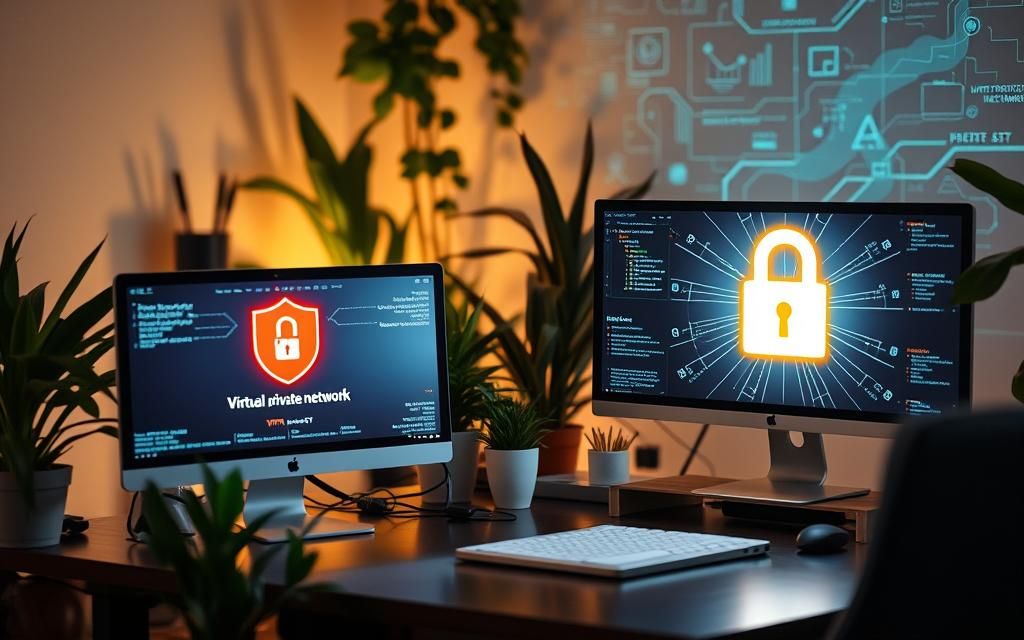
Public Wi-Fi networks in airports, cafés, and hotels are notoriously insecure, making them prime hunting grounds for hackers looking to steal personal information like passwords and credit card details. To protect yourself, always use a Virtual Private Network (VPN). A VPN encrypts your internet connection, creating a secure tunnel for your data that is invisible to hackers, even on a public network.
Practice good password hygiene by using strong, unique passwords for different accounts and enabling two-factor authentication (2FA) wherever possible. Be wary of using public computers, such as those in internet cafes or hotel lobbies, for logging into sensitive accounts. If you must use one, be sure to log out completely and clear the browser history and cache afterward. Finally, make sure all your devices—phone, laptop, tablet—are password or biometrically protected (fingerprint or face ID) so that if they are stolen, your data remains secure.
The Importance of a Communication Plan
Before you leave, create a clear communication plan with at least one trusted person back home. Share a detailed copy of your itinerary, including flight numbers, accommodation details with addresses and phone numbers, and a general outline of your planned activities. Establish a regular check-in schedule, whether it's a quick text every morning or a call every couple of days.
This system is your remote safety net. If you fail to check in as scheduled, your contact will know to initiate your emergency plan, which could involve contacting your hotel, other travelers you've met (if you've shared their info), or even your country's embassy in that region. Technology makes this easy. Use apps that share your location in real-time or simply send a quick "All good!" message. This simple habit takes only seconds a day but provides an invaluable layer of security.
Emergency Preparedness: What to Do When Things Go Wrong
Despite all the preparation and caution, things can sometimes go wrong. Your luggage might get lost, you could fall ill, or you could become a victim of a crime. In these high-stress moments, having a clear plan of action is crucial. Panicking will only make the situation worse. The goal of emergency preparedness is to minimize the damage and resolve the issue as efficiently as possible.
This preparation involves both having the right resources, like comprehensive travel insurance, and knowing the right procedures, like how to contact local emergency services. By thinking through these worst-case scenarios ahead of time, you can respond calmly and effectively if they ever occur. This proactive mindset transforms a potential crisis into a manageable problem.
Having a Comprehensive Travel Insurance Plan
Travel insurance is not a suggestion; it is a necessity. Traveling without it, especially solo, is an unacceptable risk. A minor accident or illness in a foreign country can result in crippling medical bills. A comprehensive policy should cover, at a minimum:
- Emergency medical expenses and hospitalization
- Emergency medical evacuation and repatriation
- Theft or loss of baggage, documents, and personal belongings
- Trip cancellation and interruption
Read the policy details carefully to understand what is and isn't covered. For example, some adventure activities like scuba diving or mountain climbing may require an additional premium. Keep a digital and physical copy of your policy number and the 24/7 emergency assistance phone number readily accessible. If something happens, call your insurance provider's emergency line immediately. They will guide you on the necessary steps, recommend approved medical facilities, and help manage the logistics.
Knowing Local Emergency Numbers and Procedures
The emergency number you know by heart (like 911 in the U.S. or 999 in the U.K.) is likely not the same in your destination country. Before you arrive, research and save the local equivalent numbers for police, ambulance, and fire services in your phone's contacts.
Emergency Numbers in Popular Travel Destinations
| Country/Region | Police | Ambulance | Fire |
|---|---|---|---|
| United States | 911 | 911 | 911 |
| United Kingdom | 999 | 999 | 999 |
| European Union | 112 | 112 | 112 |
| Australia | 000 | 000 | 000 |
| Japan | 110 | 119 | 119 |
| New Zealand | 111 | 111 | 111 |
In addition to these numbers, find the address and contact information for your country's nearest embassy or consulate. They are an essential resource if you lose your passport, get arrested, or face a serious crisis. Store this information both in your phone and on a physical piece of paper in your wallet. Knowing who to call and what to do in an emergency can make all the difference in a stressful situation.
—
Frequently Asked Questions (FAQ)
Q: Is solo travel safe for women?
A: Absolutely. While solo female travelers do need to be mindful of certain gender-specific risks and cultural norms, millions of women travel solo safely and successfully every year. The key is enhanced preparation and awareness. Following the tips in this guide—such as researching destinations with a female perspective, choosing safe accommodation with good reviews from other women, dressing to respect local culture, and being extra cautious about nightlife and socializing—is crucial. Trusting your intuition is especially important; if a situation or person makes you feel uncomfortable, remove yourself without hesitation.
Q: What are some of the safest countries for first-time solo travelers?
A: While safety is subjective and can change, countries with low crime rates, stable political climates, and good infrastructure are generally great for beginners. Some consistently top-ranked destinations include Iceland, New Zealand, Switzerland, Japan, Finland, and Portugal. These countries are known for their natural beauty, welcoming locals, and an overall sense of security, which can help a first-time solo traveler build confidence.
Q: What should I do if I get lost?
A: First, don't panic or look visibly distressed, as this can make you a target. Find a safe, public place like a café, shop, or hotel lobby to calmly reorient yourself. Use an offline map app on your phone (like Google Maps with downloaded areas or Maps.me) to find your way. If you need to ask for directions, approach a police officer, a shopkeeper, or a family. Avoid broadcasting that you're lost to random strangers on the street.
Q: Should I wear a fake wedding ring to deter unwanted attention?
A: This is a common piece of advice, but its effectiveness is debatable. In some cultures, a ring may deter casual advances, but in others, it can be seen as a sign of wealth, potentially attracting thieves. A more effective strategy is to use your body language and confidence to set boundaries. A firm but polite "no" or simply ignoring unwanted advances and walking away is often more powerful than a piece of jewelry. The best deterrent is always projecting confidence and awareness.
Conclusion
Traveling solo is an unparalleled adventure that fosters independence, resilience, and a deeper understanding of oneself and the world. The key to a safe and successful journey is not to travel in a bubble of fear, but to move with a quiet confidence that is born from thorough preparation and constant awareness. By researching your destination, choosing your surroundings wisely, protecting your belongings, and trusting your intuition, you transform yourself from a potential target into a savvy, self-assured world traveler.
Safety is not about limiting your experience; it's about enabling it. It's the secure foundation that gives you the freedom to be spontaneous, to connect with new people, and to immerse yourself fully in the magic of the moment. Embrace these strategies, make them second nature, and step out into the world knowing that you have the tools to navigate it safely, confidently, and on your own terms.
***
Summary
This guide, How to Stay Safe Traveling Solo: An Essential Guide, provides a comprehensive framework for solo travelers to navigate the world confidently and securely. It emphasizes that the key to a safe journey is proactive preparation and situational awareness, not fear.
The main takeaways from the article include:
- Pre-Trip Preparation is Foundational: Before you go, thoroughly research your destination's culture and safety risks, choose accommodation with a focus on security and location, and create both digital and physical copies of all essential documents and financial information.
- Situational Awareness is Your Best Tool: On the ground, the most powerful safety asset is your own awareness. Practice blending in with local culture, projecting confidence through body language, and always trusting your intuition or "gut feeling" when a situation feels wrong.
- Employ Practical Tactics and Gear: Use anti-theft bags to protect your valuables, be discreet with expensive electronics, and never carry all your cash and cards in one place. When using transportation, opt for reputable, official services. If socializing or enjoying nightlife, be mindful of your alcohol intake and never leave your drink unattended.
- Prioritize Digital Security and Communication: Protect your personal data on public Wi-Fi by using a VPN. Establish a communication plan with someone back home, including a detailed itinerary and regular check-ins, to create a remote safety net.
- Prepare for Emergencies: Always travel with comprehensive travel insurance that covers medical emergencies, theft, and cancellations. Research and save local emergency contact numbers (police, ambulance) and the contact information for your country's nearest embassy.