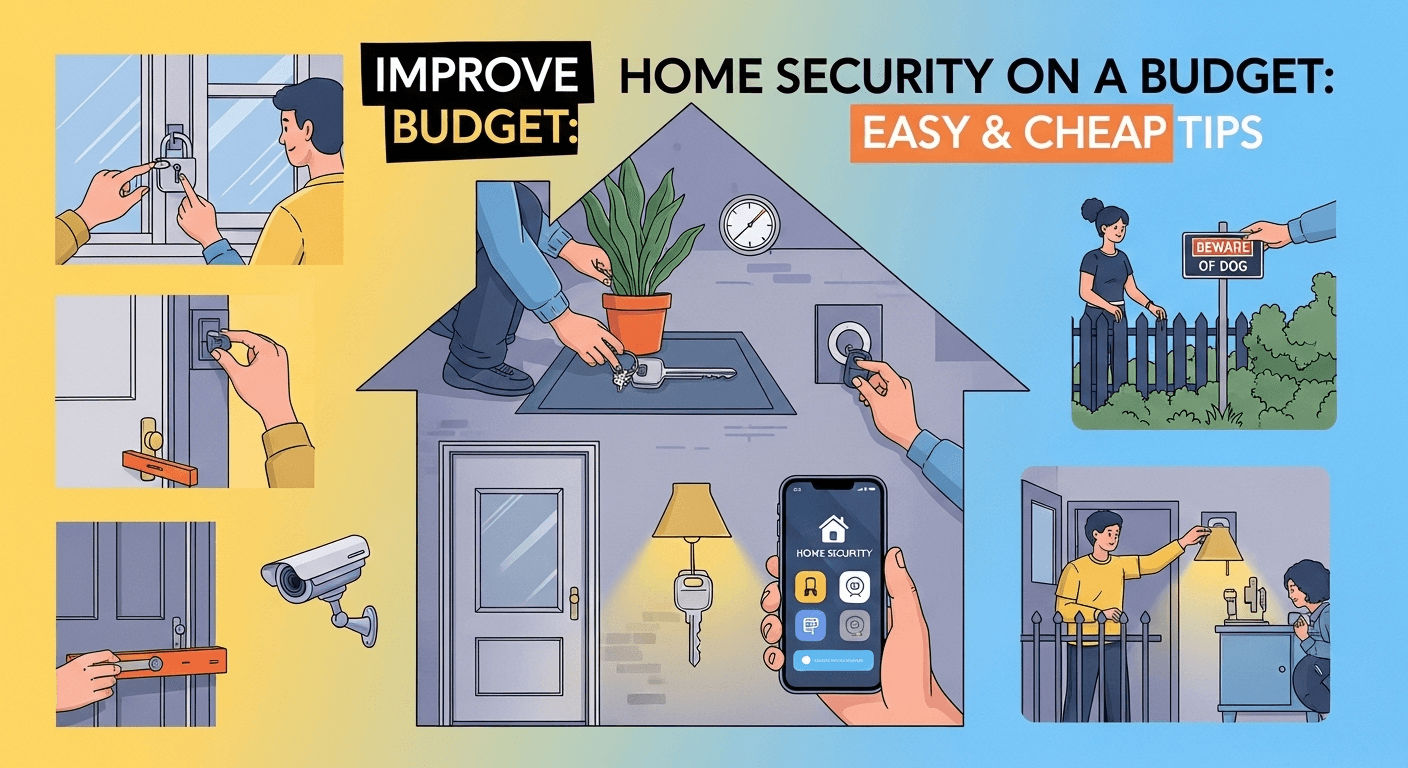
Feeling secure in your own home is a fundamental need, not a luxury. However, the high price tags on advanced security systems and professional services can make robust protection feel out of reach for many. The good news is that you don't need to break the bank to significantly bolster your home's defenses. There are numerous effective, affordable, and often simple strategies you can implement right away. This guide is designed to walk you through exactly how to improve home security on a budget, proving that a safe and secure home is achievable for everyone, regardless of their financial situation. We'll explore a layered approach, from fortifying your physical barriers to leveraging low-cost technology and the power of community.
Improve Home Security on a Budget: Easy & Cheap Tips
Fortify Your First Line of Defense: Doors and Windows
The vast majority of burglars gain entry through a door or a first-floor window. These are the most common and predictable points of vulnerability in any home. Therefore, making them as difficult as possible to breach is the single most effective and cost-efficient security measure you can take. A would-be intruder is looking for a quick and quiet entry; by adding just a few layers of resistance, you can convince them to move on to an easier target. This foundational step doesn't require expensive technology, but rather a focus on strengthening the physical integrity of your home's entry points.
Strengthening these areas is all about creating delays and obstacles. Think like a burglar: what would be the easiest way in? Is it the flimsy lock on the back door? The old window in the guest room that doesn't latch properly? By identifying and addressing these weak spots with simple, inexpensive hardware upgrades, you are making a massive improvement. This proactive approach transforms your home from a soft target into a hardened one, a concept that is central to residential security. The goal is to make the effort and noise required to break in not worth the potential reward.
Many of the most impactful upgrades in this category can be done as a DIY project with basic tools, saving you the cost of professional installation. Hardware stores are treasure troves of affordable security solutions, from stronger screws to more robust locks and window films. Investing a small amount of money and a bit of your time here will yield the highest return on investment for your home's overall security posture. It's the logical and most crucial starting point for anyone serious about security on a budget.
Reinforce Your Doors
Your primary entry doors—front, back, and garage-to-home—are critical checkpoints. A standard lockset installed by a builder might look secure, but it often has a critical weakness: short screws that only grip the soft wood of the doorjamb. The first and cheapest upgrade is to replace these short screws in your lock’s strike plate with 3-inch coated deck screws. These longer screws will anchor the strike plate deep into the solid wood of the wall stud behind the jamb, making the door frame vastly more resistant to being kicked in. This is a five-dollar fix that can stop a brute-force entry attempt cold.
Next, ensure every exterior door has a quality deadbolt lock. If you only have a locking doorknob, you are highly vulnerable. A Grade 1 or Grade 2 deadbolt provides a significant security boost. Look for one with a one-inch throw (the length the bolt extends into the frame). For an extra layer of protection, especially at night or when you're home, consider a door security bar or a door jammer. These portable devices brace against the floor and prevent the door from being opened, even if the lock is bypassed. They are inexpensive, require no installation, and are perfect for renters.
Secure Your Windows
Windows are another favorite entry point for burglars, especially those on the ground floor or hidden from street view. The factory latches on many windows are flimsy and can be easily forced open. A simple and cheap upgrade is to install secondary window locks or keyed locks. These can be purchased for just a few dollars each and prevent the window from being slid or lifted open. For an even simpler DIY solution, you can drill a hole through the window sash and into the frame and insert a strong nail or pin, which physically blocks the window from opening.
Another excellent, albeit slightly more expensive, option is to apply a security window film. This transparent polyester film adheres to the inside of your glass. While it won't make the glass unbreakable, it holds the shattered pieces together if a burglar tries to smash it. This creates a significant delay and a lot of noise, two things an intruder wants to avoid. It also offers the side benefits of UV protection and privacy. For ground-floor windows, especially those in the back of the house, this film can be a game-changer in your budget security plan.
The Power of Perception: Making Your Home an Unattractive Target
A significant part of home security is psychological warfare. Burglars are fundamentally opportunists who operate on a risk-versus-reward calculation. They actively seek out homes that appear unoccupied, unmonitored, and easy to access. Your goal is to disrupt this calculation by making your home look like a "hard target"—a place where the risk of being seen, caught, or delayed is simply too high. This is where deterrence comes into play, and you can achieve powerful deterrent effects with minimal spending.
This strategy is all about creating an environment of perceived risk for the potential intruder. It involves sending clear signals that your home is occupied and protected, even when it isn't. Small visual cues can have an outsized impact on a burglar's decision-making process. A well-lit porch, a car in the driveway, and the absence of piled-up mail all suggest that someone is home and alert. These are simple, common-sense practices that cost nothing but contribute significantly to your overall security.
By consistently maintaining an appearance of occupancy and vigilance, you turn your home into a less appealing option. A burglar casing a neighborhood will pass over the house that looks active in favor of the one that looks dark and neglected. This "illusion of occupancy" is one of the most powerful and cost-effective tools in your security arsenal, turning your home's appearance into a passive, 24/7 security feature.
Create the Illusion of Occupancy
One of the surest signs a home is empty is that it’s dark in the evening and packages are piling up on the porch. You can easily combat this with low-cost smart plugs or mechanical outlet timers. Set them to turn lights, a radio, or a television on and off at irregular intervals in the evening, mimicking the patterns of a person moving through the house. Having a light go on in a bedroom, and then a TV in the living room an hour later, is far more convincing than a single lamp left on all day and night.
When you go on vacation, don't announce it on social media. Arrange for a trusted neighbor or friend to collect your mail, newspapers, and any packages that get delivered. An overflowing mailbox is a universal sign that no one is home. If possible, ask them to park a car in your driveway occasionally and take out/bring in your trash cans on collection day. These small acts of cooperation maintain the appearance of normal, daily life and are completely free.
Use Strategic Signage and Decals
You don’t need to own an expensive security system to benefit from the deterrent effect of its branding. You can purchase official-looking security system signs and window decals online for a very low price. Place a sign in your front yard and a decal on a front window and back door. To a passing burglar, your home now appears to be professionally monitored. While a determined intruder might test this, many will simply choose to avoid the potential hassle and risk.
Similarly, a "Beware of Dog" sign can be an effective deterrent, even if you don't own a dog. The uncertainty it creates is often enough to make a burglar think twice. The prospect of dealing with a loud, potentially aggressive animal adds a major complication they would rather avoid. You can enhance the illusion by leaving a large water bowl or a chain leash near a back door. These simple, inexpensive props add a layer of authenticity to the bluff.
Leveraging Low-Cost Technology for Modern Security
In recent years, the home security technology market has exploded with affordable and user-friendly options. The idea that "smart home" equals "expensive" is no longer true. Companies have recognized the vast market for budget-conscious consumers and now offer a range of effective gadgets that can dramatically improve your security without requiring a monthly subscription or professional installation. These devices put powerful monitoring and alert capabilities directly into your hands via your smartphone.
This new generation of tech empowers you to keep an eye on your home from anywhere in the world. Motion-activated alerts, live video feeds, and smart sensors can provide peace of mind and real-time information about what's happening at your property. The key is to choose devices strategically, focusing on covering the most critical areas rather than trying to monitor every square inch of your home. A few well-placed cameras and sensors can provide 90% of the benefit of a full-blown system at 10% of the cost.
Affordable Security Cameras
The price of reliable Wi-Fi security cameras has plummeted. Brands like Wyze, Blink, and TP-Link Kasa offer high-definition cameras for under $50, with some models costing as little as $25. Place a camera overlooking your front porch to monitor package deliveries and see who is at your door. Place another covering your backyard or a vulnerable side alley. These cameras feature motion detection and will send an alert directly to your phone when they sense activity, allowing you to view a live feed and even speak through a two-way audio feature.
For those on the tightest of budgets, even a dummy (or fake) security camera can have a surprising deterrent effect. A realistic-looking fake camera, complete with a blinking red LED light, can be purchased for less than $10. When placed in a visible location, like under the eave of your roof, it signals to potential intruders that the area is being monitored. While it offers no real protection, it plays into the psychological strategy of making your home a less attractive target. For maximum effect, combine a visible dummy camera with a real, hidden camera covering the same area.
Smart Sensors and Alarms
Beyond cameras, another excellent low-cost tech solution is a set of smart contact sensors. These small, two-piece devices can be placed on any door or window. They connect to your Wi-Fi, and if the door or window is opened, they send an immediate notification to your smartphone. You can buy a pack of several sensors for a very reasonable price. This allows you to know instantly if a perimeter breach occurs, whether you are upstairs or across the country.
You can also purchase standalone, battery-powered motion-activated alarms. These are not connected to a system but are highly effective for specific areas like a shed, garage, or a basement. If motion is detected, the device emits an ear-piercingly loud siren. The sudden, deafening noise is often enough to scare an intruder away immediately and alert anyone nearby to the disturbance. These are simple, cheap, and surprisingly effective security tools.
Outdoor and Environmental Security on a Shoestring
Your home's security perimeter doesn't start at your front door; it starts at your property line. The way you manage your home's exterior environment can have a massive impact on its safety. Burglars love darkness and concealment. They use overgrown shrubs, dark corners, and unlit pathways to approach a home unseen. By taking control of your outdoor space, you can eliminate these advantages and create an environment that feels exposed and risky for anyone with ill intent.
This approach is often referred to by the professional term Crime Prevention Through Environmental Design (CPTED). The core idea is simple: designing and maintaining your property in a way that naturally deters criminal activity. This includes strategic lighting, thoughtful landscaping, and maintaining clear lines of sight from the street and from your windows. Many CPTED principles can be implemented for little to no cost and simply require a change in how you think about your yard.
Making your property's exterior a liability rather than an asset for a burglar is a key layer in your security plan. A well-lit, tidy, and open yard sends a message of vigilance and care. It tells a potential intruder that the owners are attentive and that there is nowhere to hide.
Illuminate Your Property
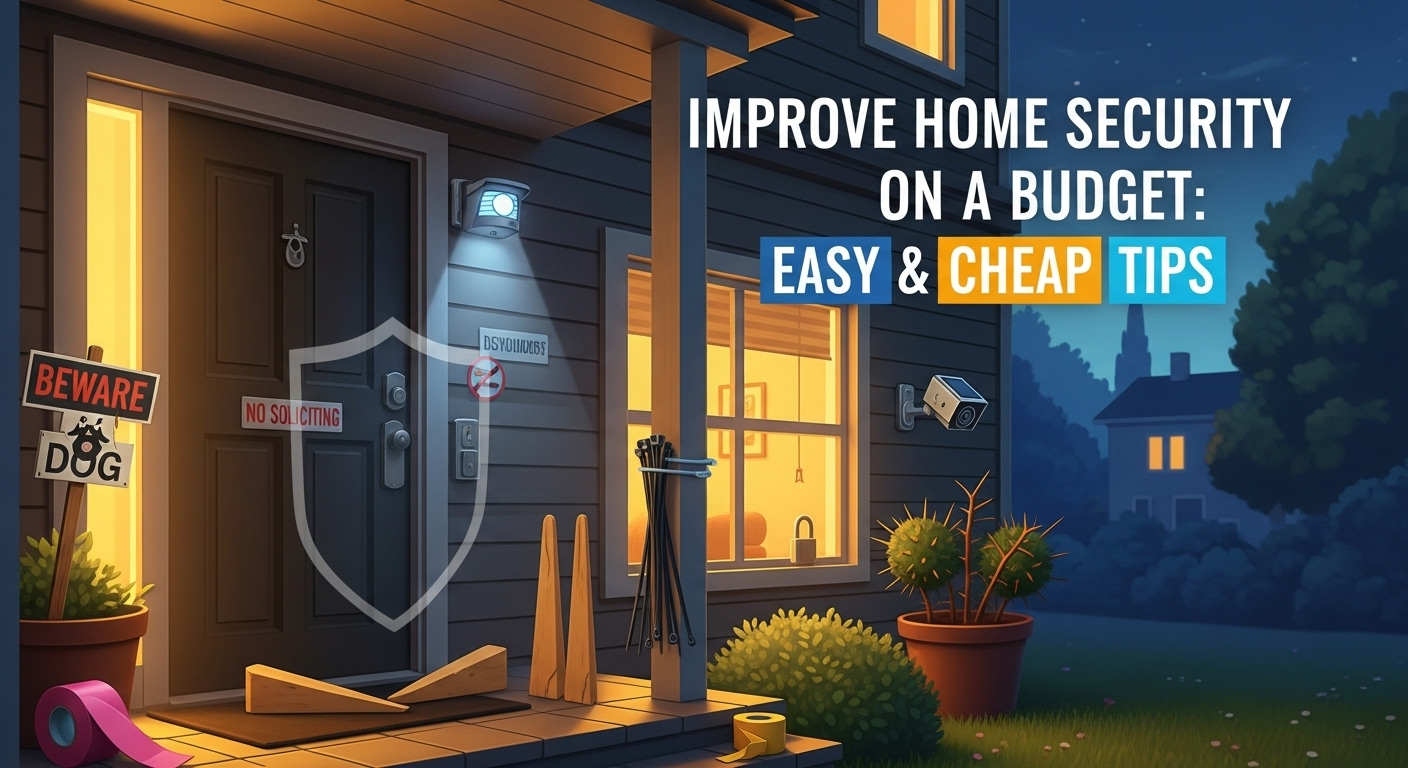
Darkness is a burglar’s best friend. One of the most effective and affordable ways to combat this is with motion-activated outdoor lighting. Install solar-powered motion-sensing floodlights over your driveway, backyard patio, and any dark side-of-house areas. The sudden blast of bright light is startling and immediately puts a spotlight on the intruder, eliminating their cover of darkness and making them feel exposed. Solar-powered models are ideal as they require no wiring and cost nothing to operate after the initial purchase.
In addition to motion lights, ensure your entryways are always well-lit. Use bright, high-efficiency LED bulbs in your porch and back door fixtures. Leaving these lights on from dusk until dawn makes your home look occupied and clearly illuminates anyone approaching your doors. The cost of running LED bulbs overnight is minimal, amounting to just a few dollars per year, making this a very cheap and effective continuous deterrent.
Implement Smart Landscaping (CPTED)
Your landscaping can either help or hinder your security. Overgrown bushes and shrubs provide perfect hiding spots for criminals to watch your home or work on a window or door undetected. Trim any shrubs under your windows so they are no higher than three feet. This preserves your view out while eliminating hiding spots. Similarly, trim the lower branches of large trees to prevent them from obscuring sightlines and ensure no branches offer easy access to a second-story window.
Consider your landscaping choices as a deterrent. Planting thorny or prickly bushes like roses, barberry, or holly beneath ground-floor windows creates a painful, natural barrier that makes access extremely difficult. Another clever, low-cost tactic is to use gravel for pathways or in areas beneath windows. It's impossible to walk on gravel silently, and the crunching sound can act as an early warning system, alerting you or your neighbors to someone's presence.
Building a Community-Based Security Network
One of the most powerful—and completely free—security assets you have is your community. A neighborhood where people know and look out for one another is inherently safer. Burglars thrive on anonymity and are less likely to target an area where residents are vigilant, observant, and communicative. Building a network of trust with your neighbors creates a web of eyes and ears that extends far beyond your own property lines.
This approach requires no money, only a small investment of social effort. It's about re-establishing the old-fashioned concept of being a good neighbor. Knowing the names of the people who live next to you and across the street, and having a friendly, casual relationship with them, forms the foundation of a community watch. This collective vigilance can be more effective than any single piece of technology.
Today, this community effort can also be enhanced by digital tools. Neighborhood-focused apps and social media groups provide a platform for residents to share information quickly and efficiently. By combining person-to-person relationships with modern communication, you can create a formidable, cost-free security network.
Know Your Neighbors
Make an effort to get to know the people who live around you. A simple wave, a “hello” when you’re getting the mail, or a brief chat can go a long way. When you have a friendly relationship, you’re more likely to notice when something is amiss at their home, and they are more likely to notice the same for you. Exchange phone numbers with your immediate neighbors. This way, if you see a suspicious vehicle in their driveway or someone lurking around their property, you can give them a quick call or text.
This network is invaluable when you travel. Let your most trusted neighbors know when you'll be away. Ask them to keep an eye on your home, and offer to do the same for them when they are gone. This mutual agreement to watch over each other's properties is a simple, free, and incredibly effective security measure that builds a stronger and safer community for everyone.
Utilize Community Apps
In many areas, residents use apps like Nextdoor or private Facebook groups for their specific neighborhood. These digital platforms can be excellent tools for sharing security-related information. Residents can post about suspicious individuals, recent break-ins in the area, or even report a found pet. This rapid dissemination of information helps everyone stay informed and vigilant.
By participating in these groups, you can stay aware of crime trends in your area and learn what to look out for. If a string of garage break-ins is reported, you'll know to double-check that your garage is secure. If someone reports a scammer going door-to-door, you'll be prepared if they show up at your home. This shared intelligence makes the entire community a harder target.
—
Cost vs. Impact Analysis of Budget Home Security Measures
To help you prioritize, here is a table comparing various budget security measures based on their estimated cost, potential security impact, and ease of implementation.
| Security Measure | Estimated Cost | Security Impact | DIY Friendliness |
|---|---|---|---|
| 3-Inch Strike Plate Screws | $5 – $10 | High | Very High |
| Door Security Bar/Jammer | $20 – $40 | High | Very High |
| Motion-Activated Solar Lights | $25 – $50 (per unit) | High | Very High |
| Affordable Wi-Fi Camera | $30 – $60 (per unit) | Medium-High | Very High |
| Security Window Film | $30 – $70 (per roll) | Medium-High | Medium |
| "Beware of Dog" / Security Sign | $10 – $20 | Medium | Very High |
| Smart Plugs / Outlet Timers | $15 – $30 (for a pack) | Medium | Very High |
| Trimming Shrubs & Trees | $0 (if you DIY) | Medium | High |
| Knowing Your Neighbors | $0 | High | Very High |
—
Frequently Asked Questions (FAQ)
Q: Do fake security cameras actually work?
A: Yes, they can be surprisingly effective as a low-cost deterrent. Most burglars are looking for the path of least resistance and will often skip a house that appears to have surveillance. For best results, choose a realistic-looking model with a blinking LED light and place it in a visible, yet plausible, location (e.g., under a roof eave). However, remember that it is only a deterrent; it provides no actual surveillance and should ideally be part of a layered security approach that includes other, real measures.
Q: What is the single most important budget security measure I can take?
A: The most critical and cost-effective thing you can do is reinforce your primary entry doors. Replacing the short screws in your door's strike plate with 3-inch screws to anchor it to the wall stud is the highest-impact, lowest-cost upgrade possible. It can single-handedly prevent a kick-in attempt, which is a very common method of forced entry. This simple, five-minute task dramatically increases your physical security.
Q: Is a "Beware of Dog" sign effective without a dog?
A: For the most part, yes. The sign's effectiveness lies in creating uncertainty and risk in the mind of a potential intruder. The prospect of encountering an unpredictable, loud, and potentially protective animal is a major deterrent. Most burglars do not want to risk being bitten or drawing attention with loud barking. For a few dollars, the sign creates a perceived risk that is often enough to make them choose an easier target.
Q: How can I secure a rental apartment or home on a budget?
A: Renters have many great options that don't involve permanent modifications. Use a door security bar or a door jammer for your main entry door. For sliding glass doors, a simple dowel or security bar in the track is highly effective. You can install battery-powered, Wi-Fi-enabled contact sensors on doors and windows that use adhesive and are easily removable. A Wi-Fi security camera placed inside, looking out a window or covering your main living area, is also a great, non-permanent solution. Always get to know your immediate neighbors as well.
Conclusion
Improving your home's security does not have to be an expensive or complicated endeavor. By adopting a smart, layered approach, you can create a formidable defense on even the tightest of budgets. The journey begins with the fundamentals: hardening your doors and windows to resist physical attacks. From there, you build layers of deterrence by making your home appear occupied and vigilant, using strategic signage and lighting to create an environment of risk for any would-be intruder.
The addition of low-cost technology like affordable Wi-Fi cameras and smart sensors provides a modern layer of active monitoring, giving you real-time awareness and peace of mind. Combined with the no-cost, high-impact strategies of smart landscaping and building a strong community network with your neighbors, these measures work in concert to make your home a genuinely hard target. Security is not about having a single, impenetrable fortress; it's about creating enough obstacles, delays, and risks to convince a criminal that your home simply isn't worth the trouble. With the easy and cheap tips outlined in this guide, you have the power to protect your home, your belongings, and most importantly, your peace of mind.
***
Summary
This article provides a comprehensive guide on how to improve home security on a budget, emphasizing a layered and cost-effective approach. The core strategy involves starting with the most critical and affordable steps first. The primary focus is on fortifying physical entry points like doors and windows by upgrading locks, using longer screws for strike plates, and adding security films or secondary locks.
The next layer involves psychological deterrence, which focuses on making a home an unattractive target. This is achieved by creating an "illusion of occupancy" with smart timers for lights and TVs, having neighbors collect mail, and using strategic signage like "Beware of Dog" or security system decals to create perceived risk.
The guide also explores the use of low-cost technology, highlighting affordable Wi-Fi security cameras from brands like Wyze and Blink, as well as smart contact sensors and standalone alarms that provide real-time alerts without expensive subscriptions. Furthermore, it covers outdoor and environmental security, promoting the use of motion-activated solar lighting and smart landscaping (CPTED) to eliminate hiding spots. Finally, the article underscores the immense, no-cost value of building a community network by knowing your neighbors and using neighborhood apps to share information, creating a collective watch that enhances safety for everyone. The overall message is that effective home security is accessible to everyone through a combination of simple DIY upgrades, clever deterrents, and community collaboration.